Nvidia’s China chip problem isn’t what most investors think

TheStreetWednesday, December 17, 2025 at 8:33:00 PM
Nvidia’s China chip problem isn’t what most investors think
  • Nvidia's H200 processor has become a focal point of contention in China, as local cloud and internet companies seek access to the chip, which outperforms their existing accelerators. The U.S. government has recently approved the sale of these advanced AI chips to China, following negotiations that highlight the ongoing complexities in U.S.-China technology relations.
  • This approval is significant for Nvidia, as it allows the company to tap into the lucrative Chinese market, where demand for high-performance computing is surging. The decision could bolster Nvidia's market position amid increasing competition from local firms like Moore Threads, which is gaining traction in the semiconductor space.
  • The approval of Nvidia's chip sales to China reflects broader geopolitical dynamics, where technology exports are increasingly scrutinized. While this move may enhance Nvidia's business prospects, it also raises concerns about national security and the potential for China to achieve greater self-sufficiency in semiconductor manufacturing, complicating the landscape for U.S. tech firms.
— via World Pulse Now AI Editorial System


Was this article worth reading? Share it

Recommended apps based on your readingExplore all apps
Continue Readings
Nike shares fall sharply as weak China sales dent faith in turnaround
NegativeFinancial Markets
Nike's shares have experienced a sharp decline due to disappointing sales in China, prompting the CEO to acknowledge the need for a strategic 'reset' in the region while also dealing with the implications of Trump-era tariffs.
Nike Sales Tick Up in Second Quarter; China Weakness Persists
NegativeFinancial Markets
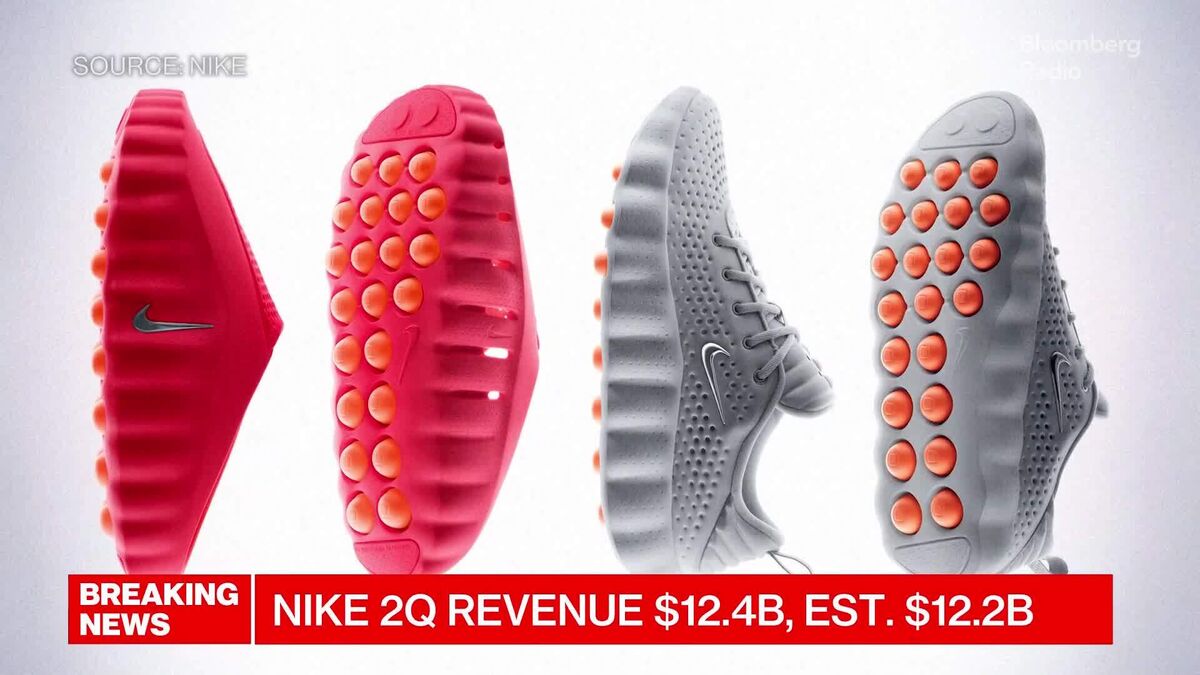
Nike reported a 1% increase in revenue to $12.4 billion in its fiscal second quarter, indicating some progress in its turnaround strategy. However, the company anticipates a return to sales decline in the current quarter, primarily due to ongoing weakness in the Chinese market.
Nike Sales Beat Overshadowed by Converse, China Slumps
NegativeFinancial Markets
Nike reported a 1% increase in revenue to $12.4 billion, surpassing analyst expectations, but faced significant challenges in China and with its Converse brand, which saw a 30% decline in sales during the fiscal second quarter ending November 30. This weakness overshadowed the positive revenue figures, leading to a drop in shares.
Nike’s Struggles Continue, but Turnaround Plan May Be Working
NeutralFinancial Markets
Nike reported a slight increase in quarterly sales, although it continues to face challenges, particularly in China and with its Converse brand, amid ongoing tariff impacts. The company is attempting to navigate a complex market environment while implementing a turnaround strategy.
Foreign Holdings of Treasuries Fell in October as China Sold
NegativeFinancial Markets
Overseas holdings of US Treasuries fell in October, primarily due to China reducing its stockpile, while Japan and the UK experienced increases in their holdings. This decline reflects a shift in foreign investment patterns and potential concerns regarding the stability of US debt instruments.
Morgan Stanley sets jaw-dropping Micron price target after event
PositiveFinancial Markets
Morgan Stanley has set a remarkable price target for Micron Technology, highlighting the company's recent quarter as one of the most significant revenue and profit surprises in the U.S. chip industry, second only to Nvidia's performance. This development follows a period of heightened investor interest in semiconductor stocks driven by advancements in artificial intelligence.
China Is Feeling Strong and Senses an American Retreat
NeutralFinancial Markets
Beijing is showcasing its infrastructure capabilities and projecting power, capitalizing on perceived anxieties in U.S. policies. This strategic messaging reflects China's confidence amid a shifting geopolitical landscape.
AI-Themed Stocks Take More Hits, Sending Nasdaq Lower
NegativeFinancial Markets
AI-themed stocks, particularly Oracle, Nvidia, and Tesla, faced significant declines, contributing to a drop in the Nasdaq index. Each of these companies saw their shares fall by more than 3%, reflecting growing investor concerns about the sustainability of the artificial intelligence market.

Ready to build your own newsroom?

Subscribe to unlock a personalised feed, podcasts, newsletters, and notifications tailored to the topics you actually care about