Today's biggest science news: CDC in turmoil | Moss survives space | Comet 3I/ATLAS images

Live ScienceMonday, November 17, 2025 at 1:52:17 PM
NeutralScience
Today's biggest science news: CDC in turmoil | Moss survives space | Comet 3I/ATLAS images
  • The CDC is currently experiencing turmoil, which may affect its ability to respond to public health issues effectively. Meanwhile, moss has demonstrated remarkable resilience by surviving 283 days in space, surprising biologists and showcasing its adaptability to extreme conditions.
  • This development is significant as it underscores the importance of the CDC in managing health crises and the implications of moss's survival for future biological research.
  • The release of new images of Comet 3I/ATLAS by NASA adds to the ongoing exploration of interstellar objects, emphasizing the need for continued research in both health and space sciences.
— via World Pulse Now AI Editorial System


Was this article worth reading? Share it

Recommended apps based on your readingExplore all apps
Continue Readings
Comet 3I/ATLAS reaches its closest point to Earth tonight: How to see it in the sky and online
PositiveScience
Comet 3I/ATLAS is set to reach its closest point to Earth overnight from December 18 to 19, 2025, marking a significant event for astronomers and space enthusiasts. This interstellar comet, the third of its kind detected, offers a unique opportunity for observation as it swings by our planet.
It matters what time of day you get cancer treatment, study suggests
PositiveScience
A recent study suggests that administering immunotherapy earlier in the day can significantly enhance survival rates for lung cancer patients compared to treatments given later in the day. This finding highlights the importance of timing in cancer treatment protocols.
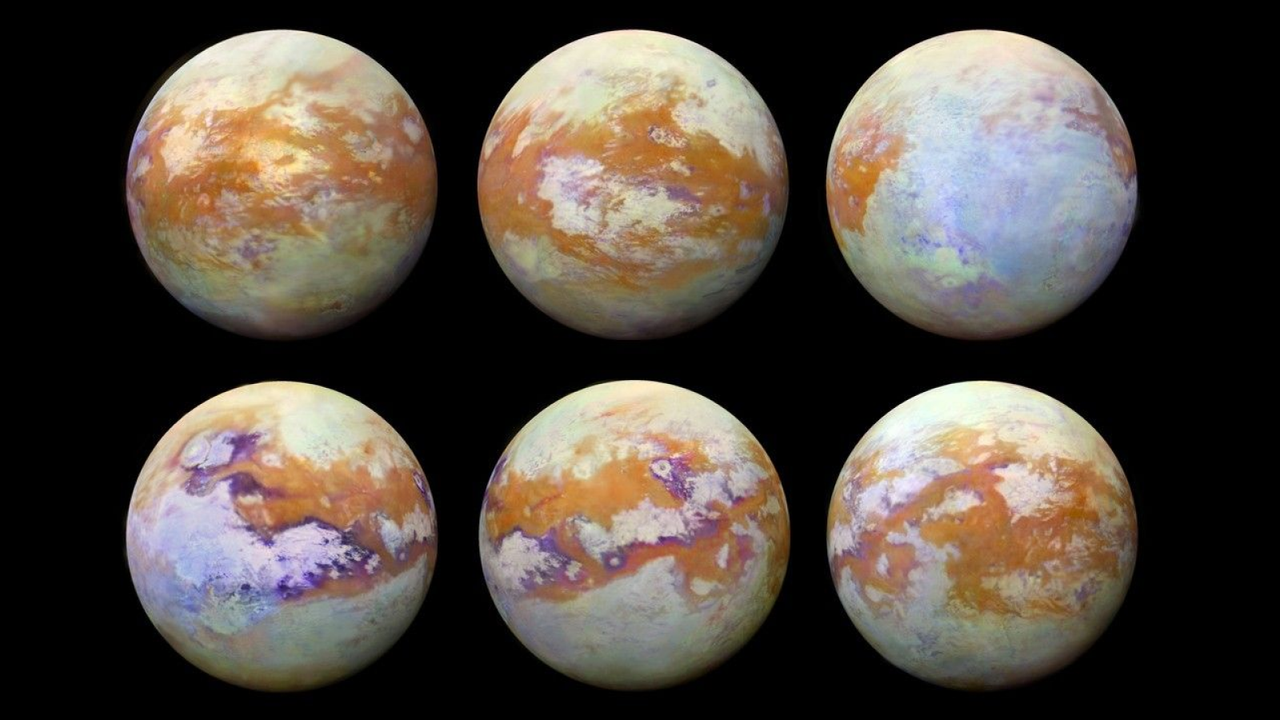
Saturn's largest moon may be riddled with 'slushy tunnels' that contain alien life, new study hints
PositiveScience
Recent studies suggest that Titan, Saturn's largest moon, may be filled with 'slushy tunnels' rather than a vast ocean, indicating the presence of liquid in a different form than previously thought. This finding builds on earlier spacecraft observations that hinted at an ocean beneath Titan's icy surface.

Ready to build your own newsroom?

Subscribe to unlock a personalised feed, podcasts, newsletters, and notifications tailored to the topics you actually care about