Time travels faster on Mars than on Earth, and here's why

Space.comTuesday, December 2, 2025 at 10:00:00 PM
PositiveScience
Time travels faster on Mars than on Earth, and here's why
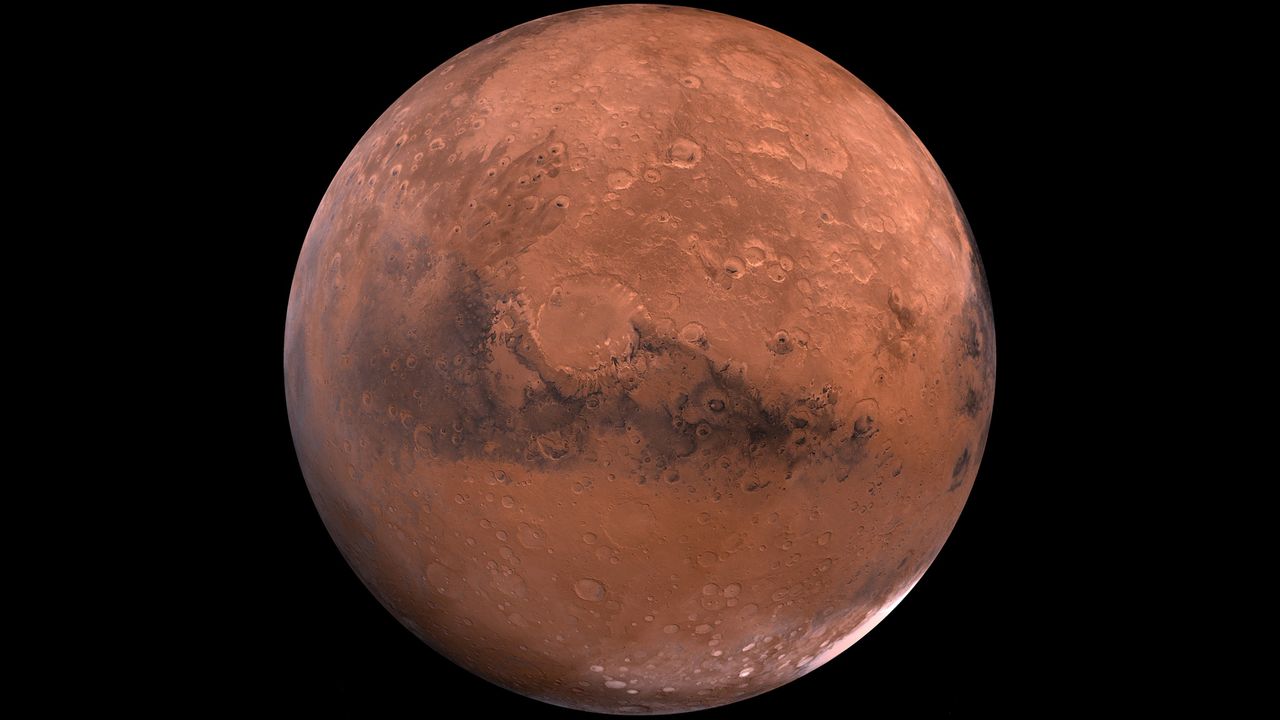
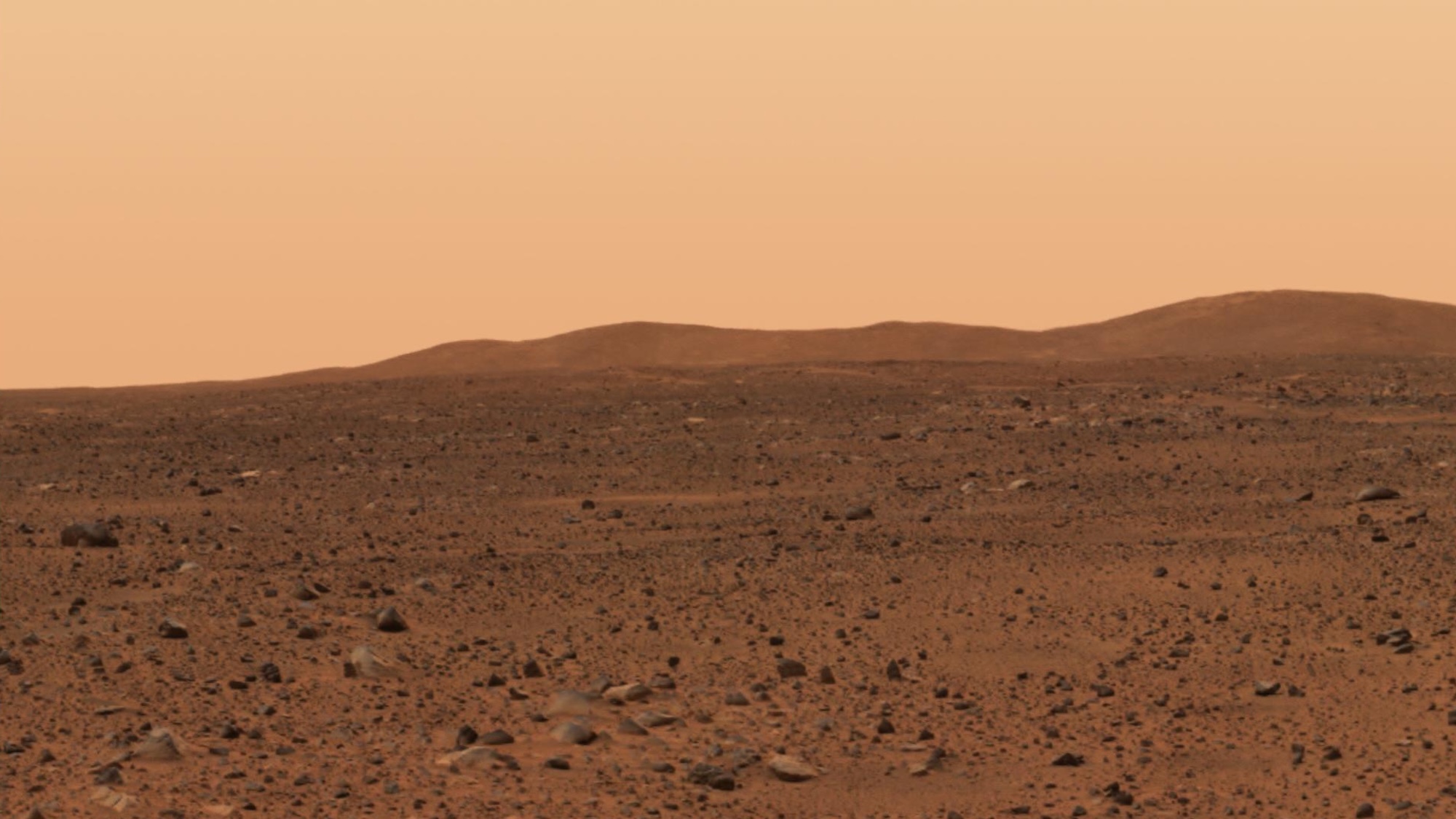
  • Recent studies indicate that time travels faster on Mars than on Earth, a phenomenon that could significantly impact navigation and communication systems on the Red Planet. This discrepancy in time measurement is crucial for future missions and operations on Mars, as it will enhance the accuracy of various technological applications.
  • Understanding the time differences between Mars and Earth is essential for planning missions, as it affects everything from communication delays to the synchronization of scientific instruments. Accurate timekeeping will facilitate better coordination among teams working on Mars exploration.
  • The discovery of time discrepancies on Mars aligns with ongoing research into the planet's atmospheric phenomena, including the recent confirmation of lightning on Mars. These findings contribute to a deeper understanding of Mars' environment and may influence future explorations, as scientists continue to uncover the complexities of the Martian atmosphere.
— via World Pulse Now AI Editorial System
Was this article worth reading? Share it

Recommended apps based on your readingExplore all apps
Continue Readings
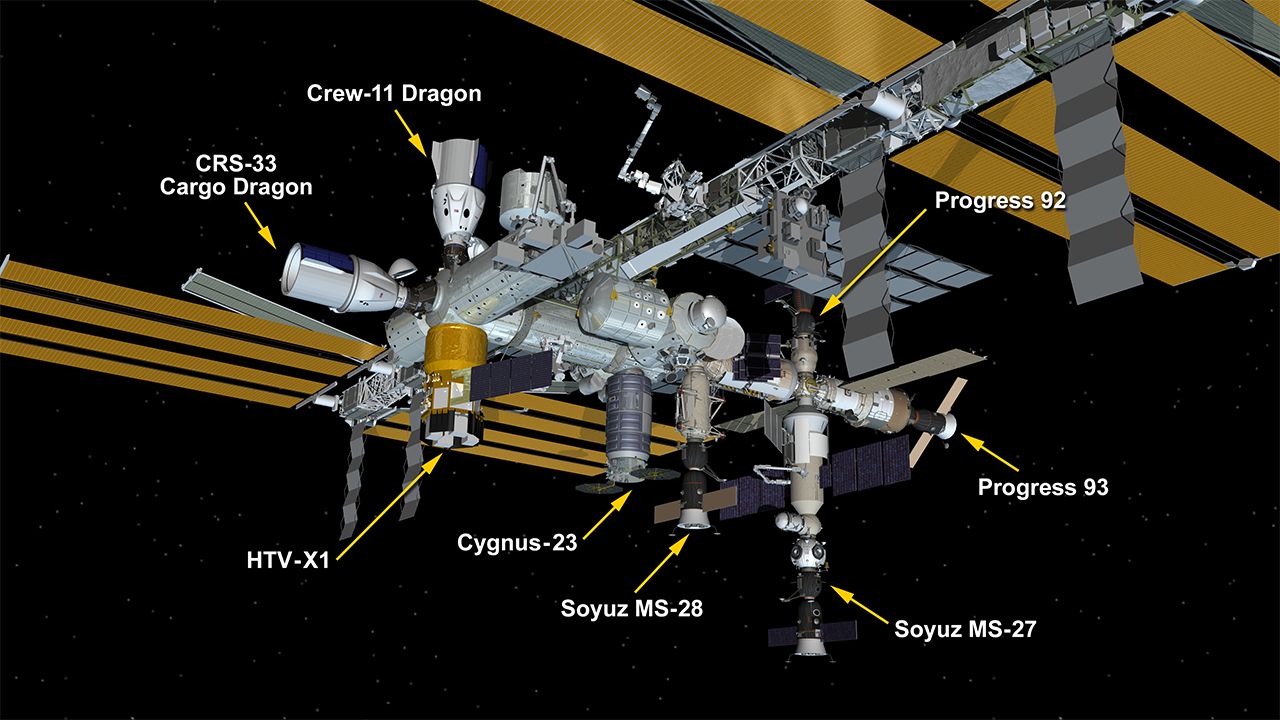
For the 1st time ever, 8 spacecraft are docked to the International Space Station
PositiveScience
For the first time in history, all eight docking ports of the International Space Station (ISS) are occupied by visiting spacecraft, marking a significant milestone in crewed spaceflight. This unprecedented event highlights the growing collaboration and advancements in international space exploration.
How to tell time on Mars
PositiveScience
Physicists have determined the rate at which time moves on Mars, providing crucial insights into the planet's temporal dynamics. This discovery enhances the understanding of Martian timekeeping, which is essential for future exploration and potential colonization efforts.
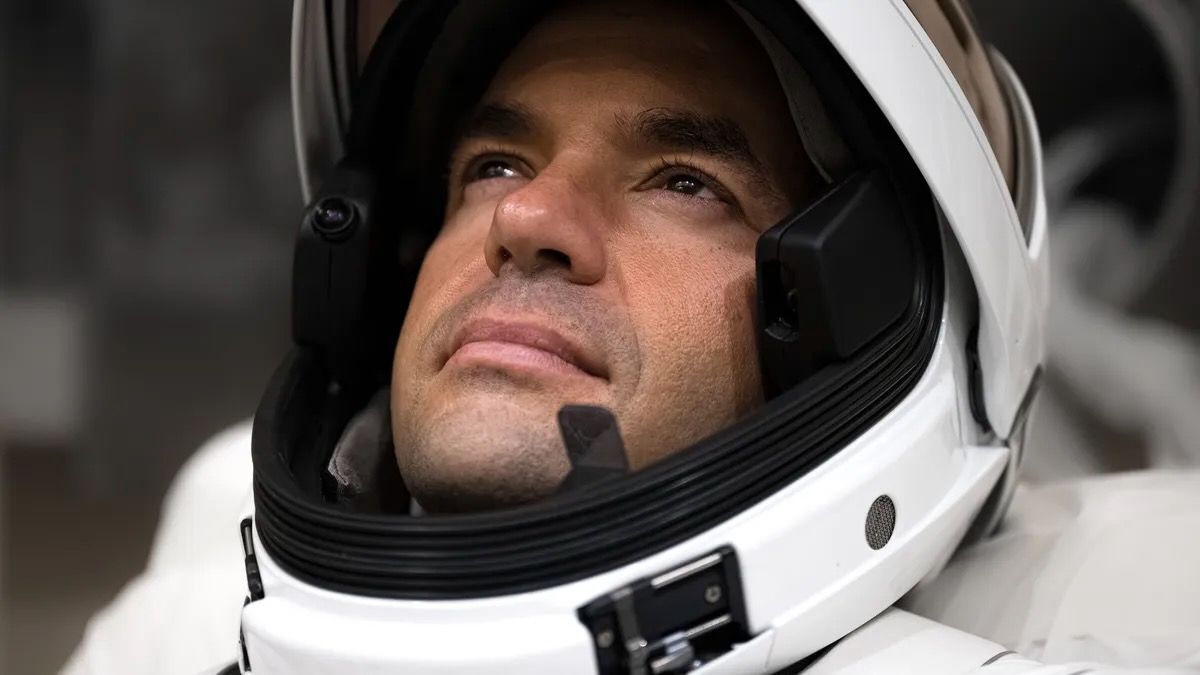
Round 2: Watch Senate hearing for Jared Isaacman's re-nomination as NASA chief on Dec. 3
PositiveScience
The U.S. Senate is set to conduct its second hearing on December 3 to evaluate the re-nomination of billionaire entrepreneur Jared Isaacman as the head of NASA. This hearing follows his previous nomination during the Trump administration, highlighting his ongoing candidacy for this prominent position in the space agency.
Could future astronauts build houses on Mars with bacteria?
NeutralScience
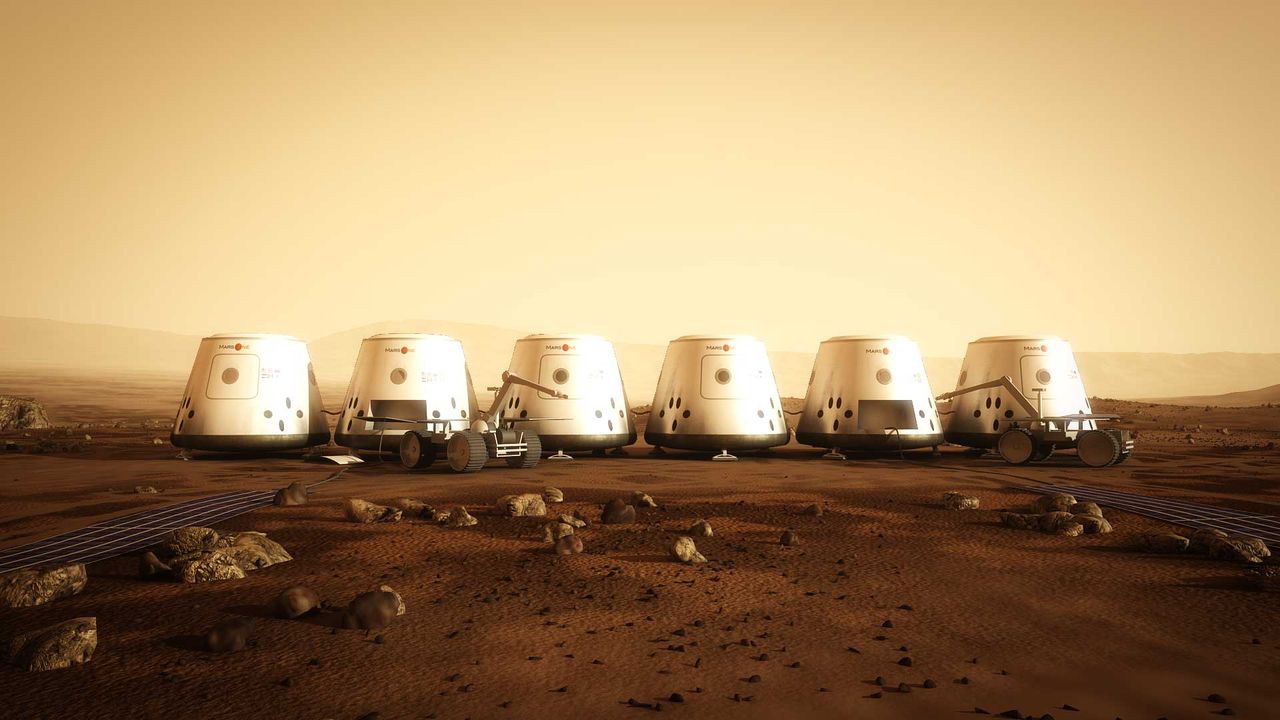
Researchers are exploring the possibility of using bacteria from Earth in combination with Martian rocks to construct habitats for future astronauts on Mars. This innovative approach could pave the way for sustainable living conditions on the Red Planet, utilizing local materials and biological processes.
30 years of SOHO staring at the sun | Space photo of the day for Dec. 2, 2025
PositiveScience
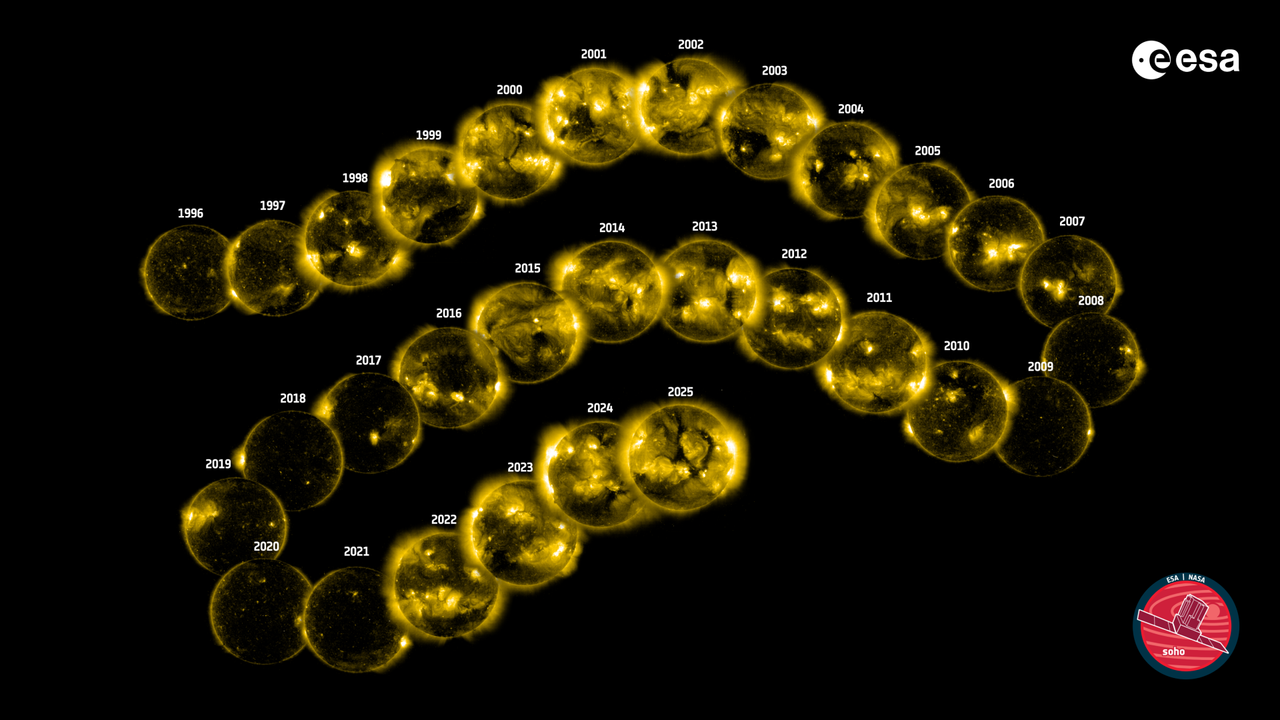
This year marks the 30th anniversary of the Solar and Heliospheric Observatory (SOHO), a mission initially intended to last just three years. Since its launch, SOHO has provided invaluable data on solar activity, significantly enhancing our understanding of the sun's behavior and its impact on space weather.
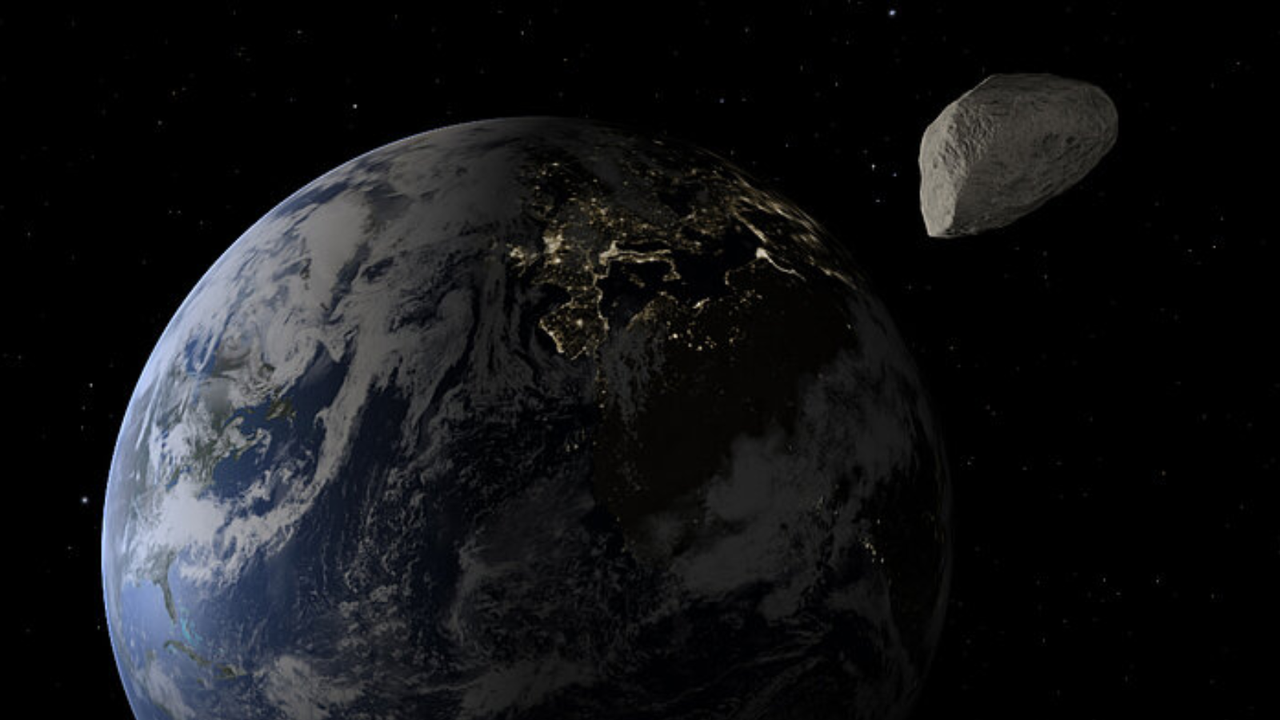
A dying satellite could use its final moments to photograph the infamous asteroid Apophis in 2029
PositiveScience
HEO Robotics, an Australian company, plans to utilize a dying satellite to photograph the asteroid Apophis during its close approach to Earth in 2029, marking a significant opportunity for observational research in space.
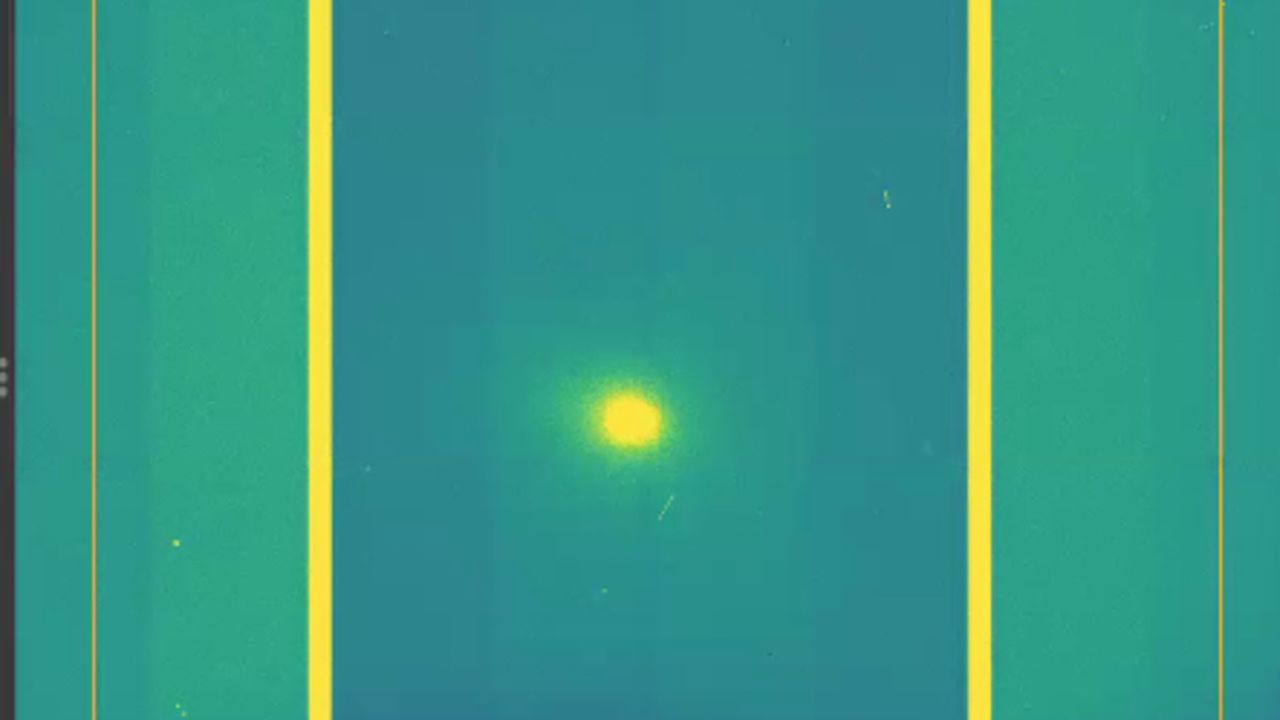
I watched scientists track interstellar comet 3I/ATLAS leaving the solar system in real-time: 'This is some prime-time science'
PositiveScience
Scientists have successfully tracked the interstellar comet 3I/ATLAS as it departs the solar system, showcasing real-time observations that highlight the comet's characteristics and behavior. This event marks a significant milestone in astronomical research, providing insights into the nature of interstellar objects.
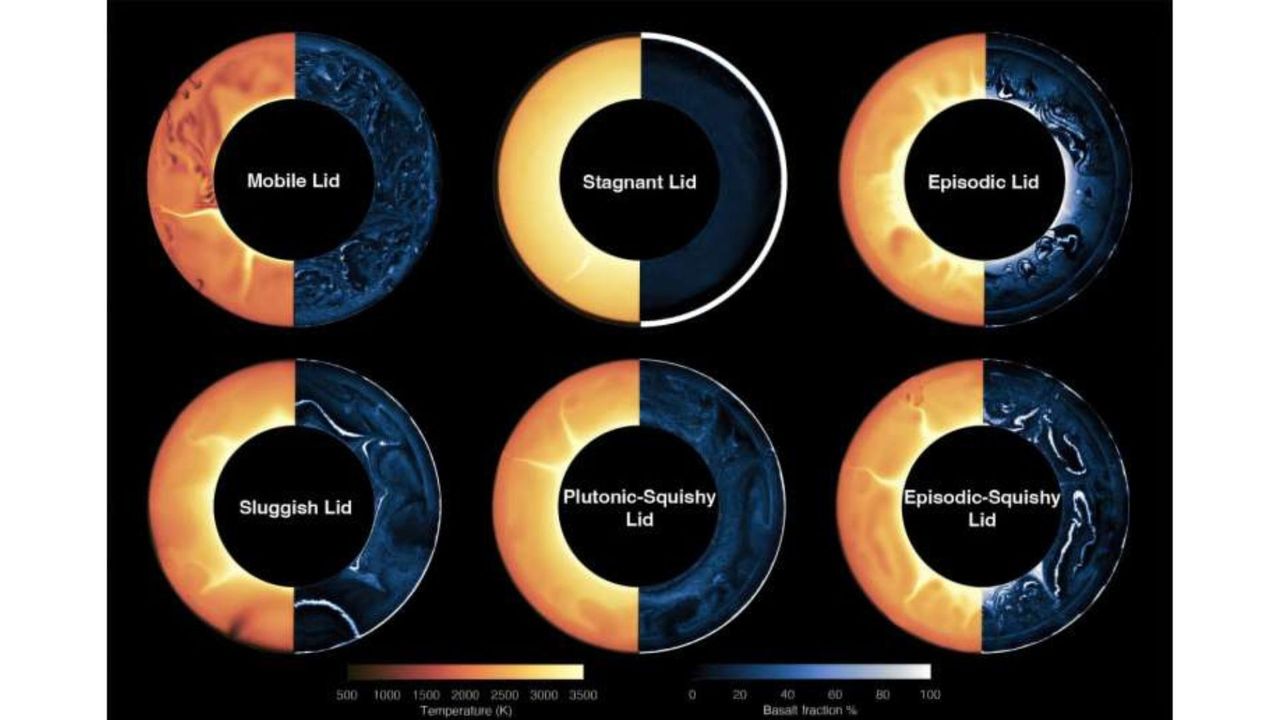
Earth's newfound 'episodic-squishy lid' may guide our search for habitable worlds
NeutralScience
A newly discovered tectonic regime, referred to as Earth's 'episodic-squishy lid,' may provide insights into the dynamic nature of Earth's tectonic plates, contrasting with the stagnant geology of Venus. This finding could reshape our understanding of planetary habitability and tectonic activity.