Astronomers discover images of rare Tatooine-like exoplanet with a strange 300-year orbit: 'Exactly how it works is still uncertain'

Space.comThursday, December 11, 2025 at 5:14:15 PM
NeutralScience
Astronomers discover images of rare Tatooine-like exoplanet with a strange 300-year orbit: 'Exactly how it works is still uncertain'
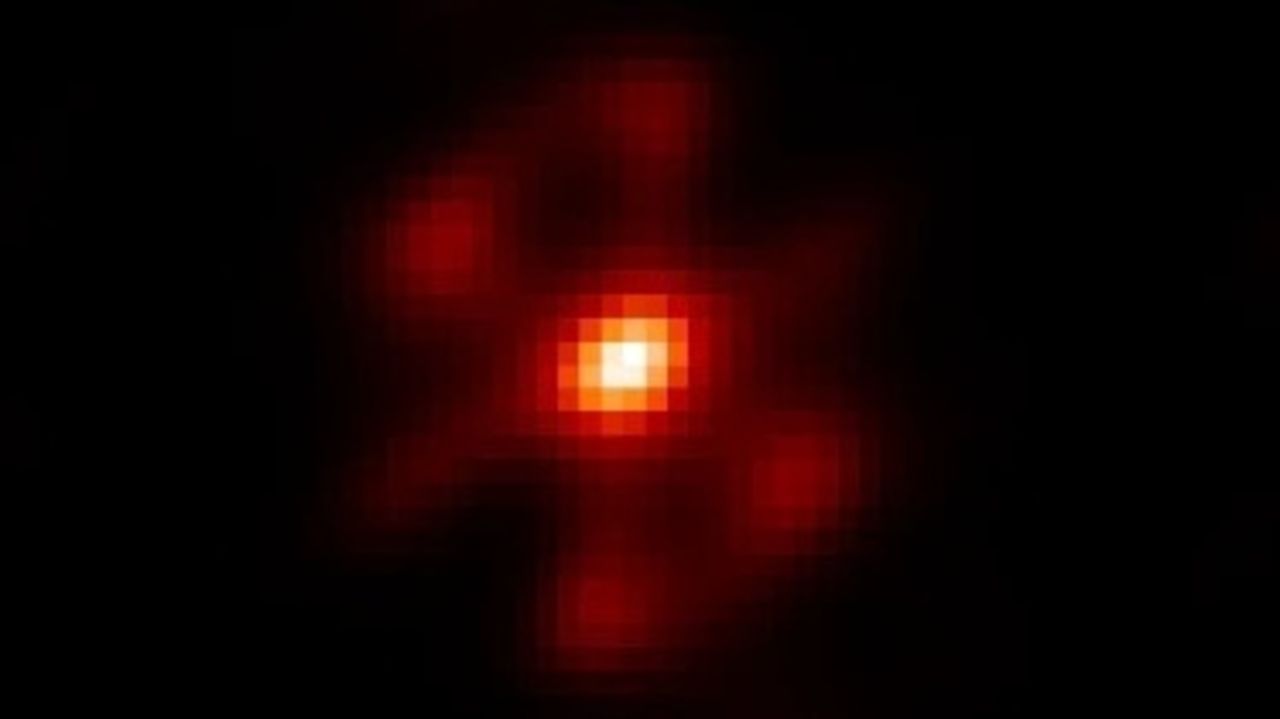
  • Astronomers have discovered images of a rare Tatooine-like exoplanet that has a peculiar 300-year orbit, formed approximately 50 million years after the extinction of the dinosaurs, making it relatively young in cosmic terms. This discovery raises questions about the mechanisms governing such unusual orbital patterns.
  • The significance of this finding lies in its potential to enhance the understanding of planetary formation and the dynamics of exoplanets, particularly those that exhibit characteristics similar to fictional worlds like Tatooine from Star Wars.
  • This discovery aligns with ongoing advancements in astronomy, particularly in imaging techniques that allow scientists to observe the formation of exoplanets, thereby contributing to a broader understanding of how planets develop around their stars and the diverse environments they may inhabit.
— via World Pulse Now AI Editorial System
Was this article worth reading? Share it

Recommended apps based on your readingExplore all apps
Continue Readings
Astronomers capture close-up images of nova explosions on 2 dead stars in unprecedented detail
NeutralScience
Astronomers have successfully captured close-up images of nova explosions occurring on two dead stars, specifically white dwarfs, which are known to erupt when they siphon excessive matter from a nearby red giant companion. This unprecedented detail enhances the understanding of these explosive phenomena in stellar evolution.
An industrial project in Chile threatens Earth's darkest sky. 28 leading astronomers signed an open letter urging to move it
NegativeScience
A significant industrial project in Chile has raised concerns among astronomers, as 28 leading experts signed an open letter urging its relocation due to its potential to brighten the night sky. This change could hinder the observation of approximately 30% of the faintest galaxies and impede the study of exoplanet atmospheres, which are crucial for understanding the universe's complexities.
NASA’s JWST Spots Most Ancient Supernova Ever Observed
PositiveScience
Astronomers using NASA's James Webb Space Telescope (JWST) have identified the most ancient supernova ever observed, dating back to a time when the universe was less than a billion years old. This discovery marks a significant milestone in understanding the early universe and the formation of celestial bodies.