Astronomers capture close-up images of nova explosions on 2 dead stars in unprecedented detail
NeutralScience
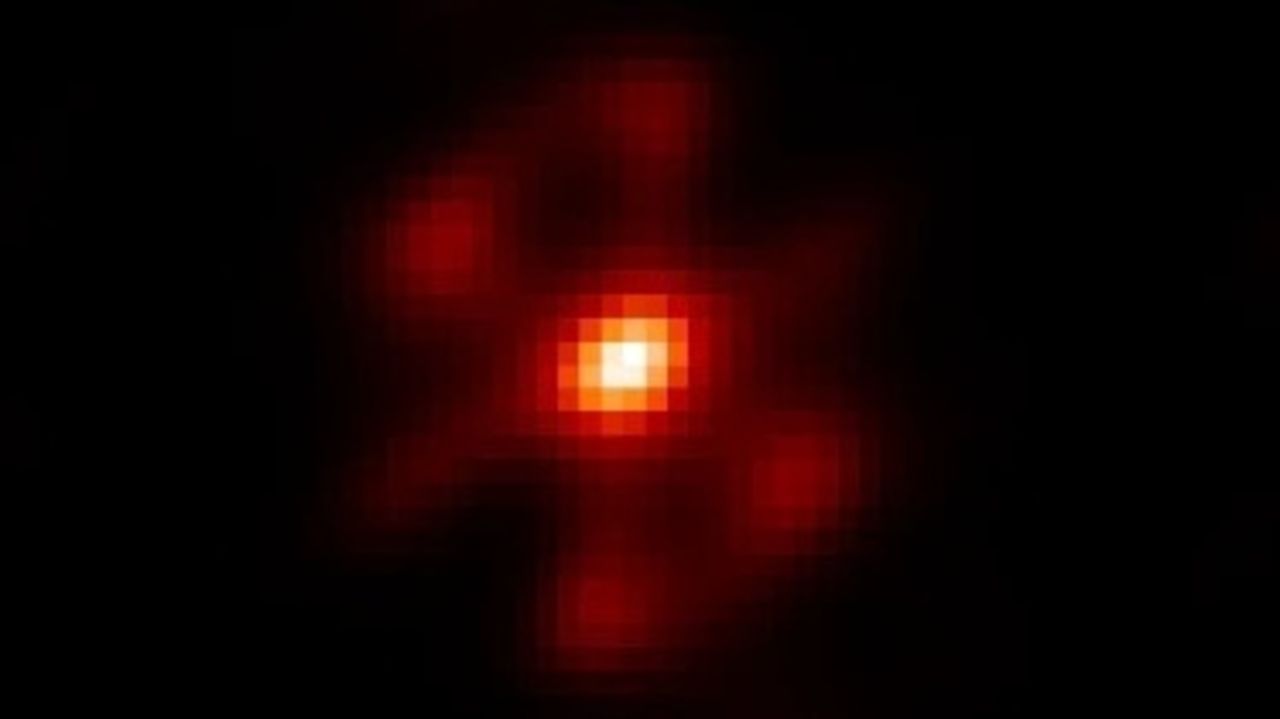
- Astronomers have successfully captured close-up images of nova explosions occurring on two dead stars, specifically white dwarfs, which are known to erupt when they siphon excessive matter from a nearby red giant companion. This unprecedented detail enhances the understanding of these explosive phenomena in stellar evolution.
- The significance of this discovery lies in its potential to deepen insights into the lifecycle of stars, particularly the interactions between white dwarfs and their companions. Such observations could lead to advancements in the field of astrophysics and the understanding of cosmic events.
- This development reflects ongoing research into various stellar phenomena, including the behavior of white dwarfs as they consume material from other celestial bodies. The study of these interactions is crucial, as it not only informs about nova explosions but also relates to broader cosmic events, such as supernovae and the fate of dying stars.
— via World Pulse Now AI Editorial System