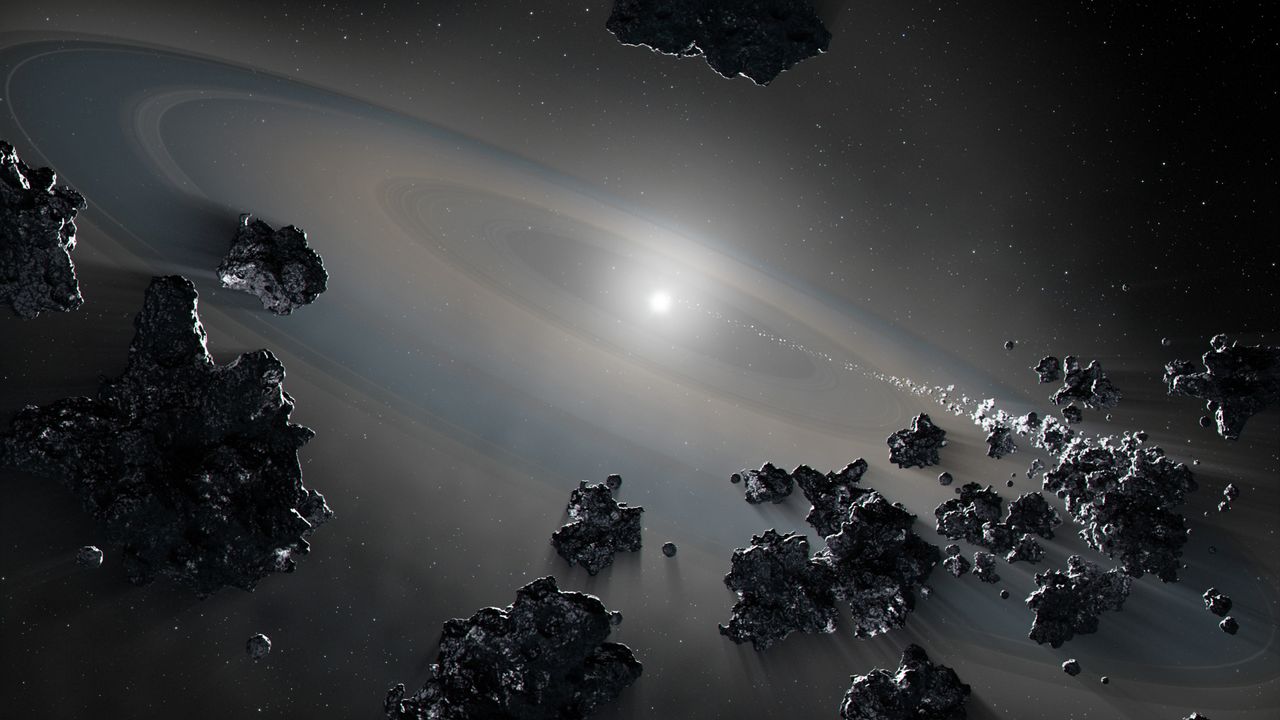
A doomed planet is being torn up by its 'zombie' white dwarf star — but astronomers don't understand why

Space.comFriday, October 24, 2025 at 6:00:00 PM
NeutralScience
A doomed planet is being torn up by its 'zombie' white dwarf star — but astronomers don't understand why
Astronomers are puzzled by a planet being torn apart by a 'zombie' white dwarf star, which has resulted in the ejection of material containing 13 different elements onto its surface. This phenomenon raises intriguing questions about the lifecycle of celestial bodies and the processes involved in such dramatic cosmic events, highlighting the complexities of our universe.
— via World Pulse Now AI Editorial System
Was this article worth reading? Share it

Recommended apps based on your readingExplore all apps
Continue Readings
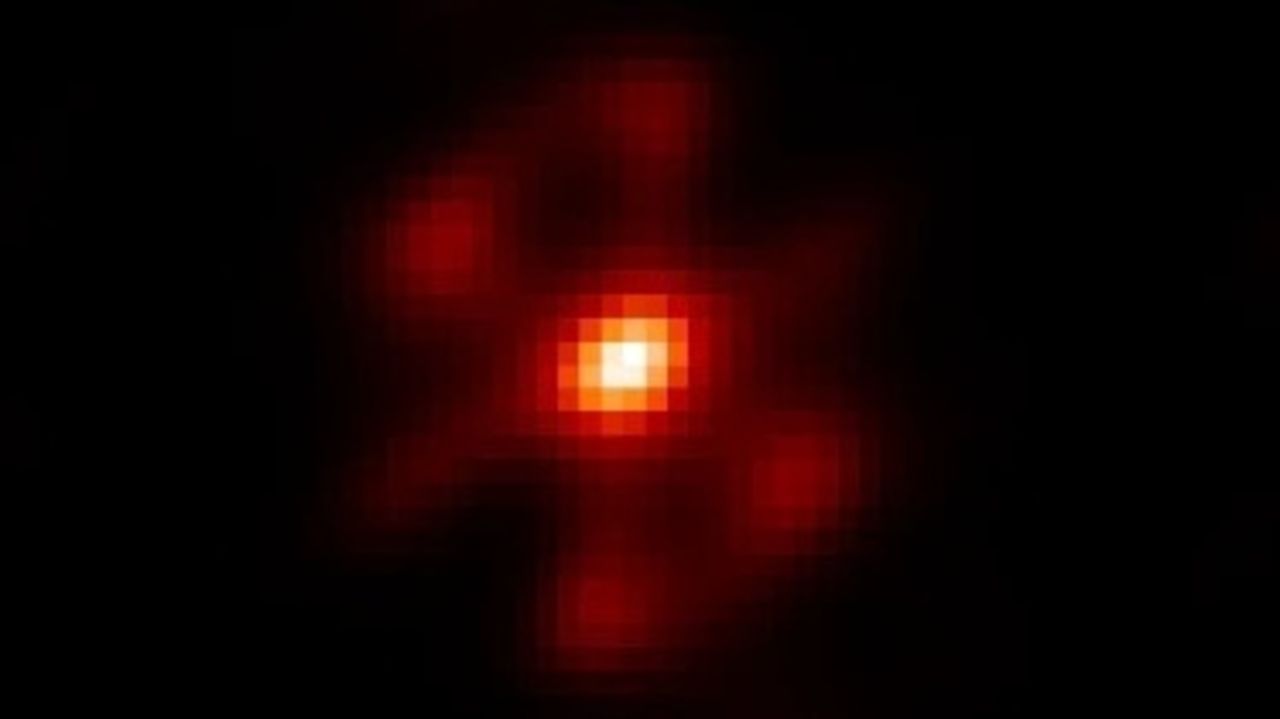
Astronomers capture close-up images of nova explosions on 2 dead stars in unprecedented detail
NeutralScience
Astronomers have successfully captured close-up images of nova explosions occurring on two dead stars, specifically white dwarfs, which are known to erupt when they siphon excessive matter from a nearby red giant companion. This unprecedented detail enhances the understanding of these explosive phenomena in stellar evolution.
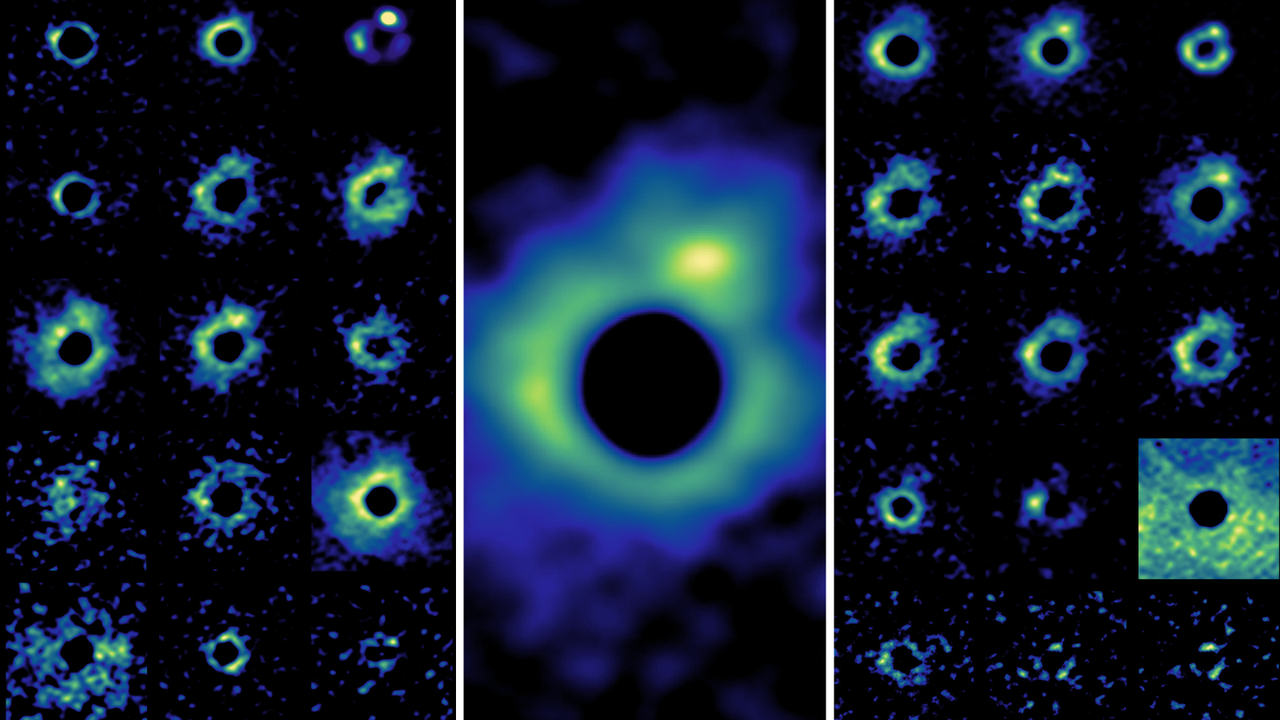
57 ways to capture a dying star: Astronomers get a glimpse of what will happen when our sun dies
NeutralScience
Astronomers utilizing the Atacama Large Millimeter/submillimeter Array (ALMA) have achieved unprecedented clarity in observing the atmosphere of a dying star, providing insights into the eventual fate of our sun. This advancement allows for a deeper understanding of stellar evolution and the processes that occur as stars approach the end of their life cycles.
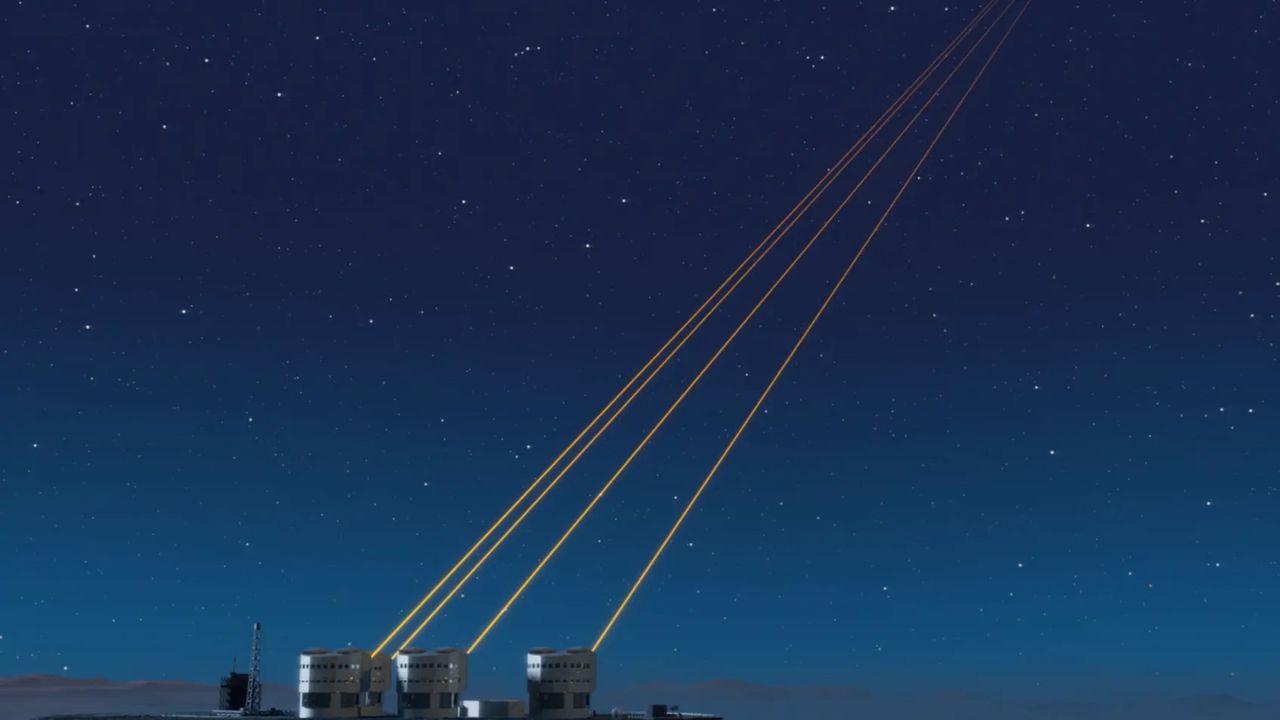
An industrial project in Chile threatens Earth's darkest sky. 28 leading astronomers signed an open letter urging to move it
NegativeScience
A significant industrial project in Chile has raised concerns among astronomers, as 28 leading experts signed an open letter urging its relocation due to its potential to brighten the night sky. This change could hinder the observation of approximately 30% of the faintest galaxies and impede the study of exoplanet atmospheres, which are crucial for understanding the universe's complexities.