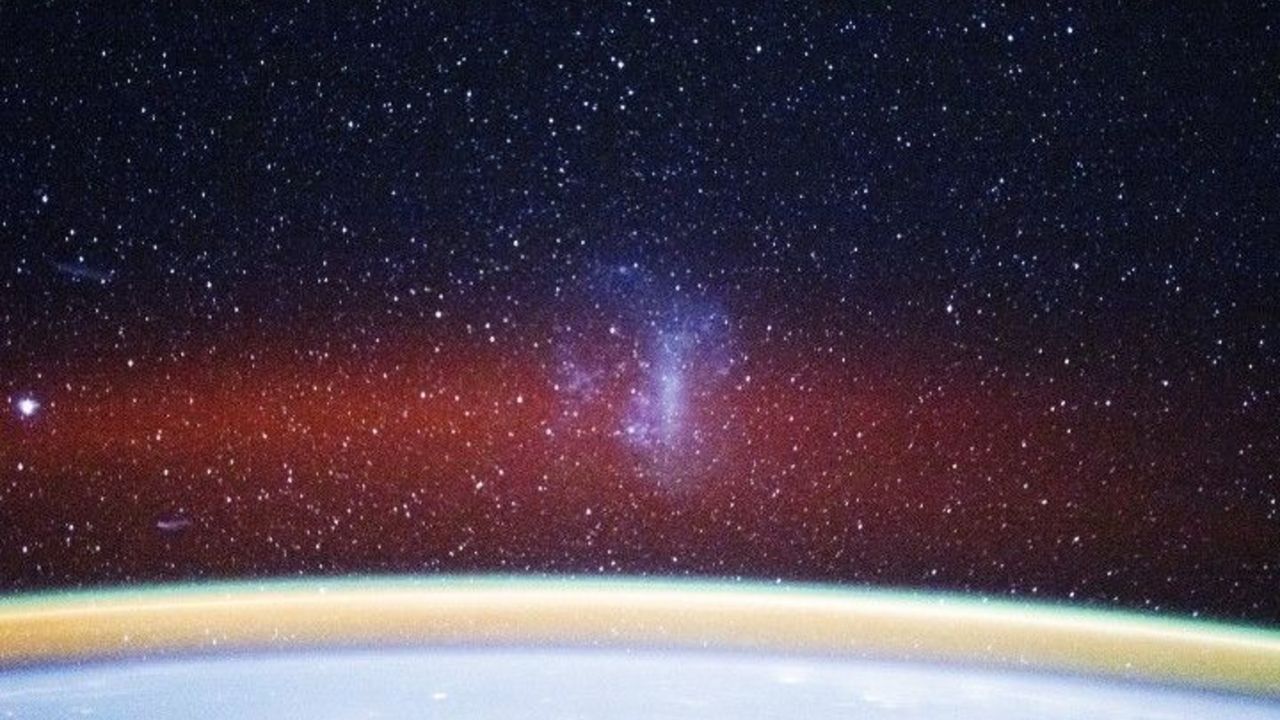
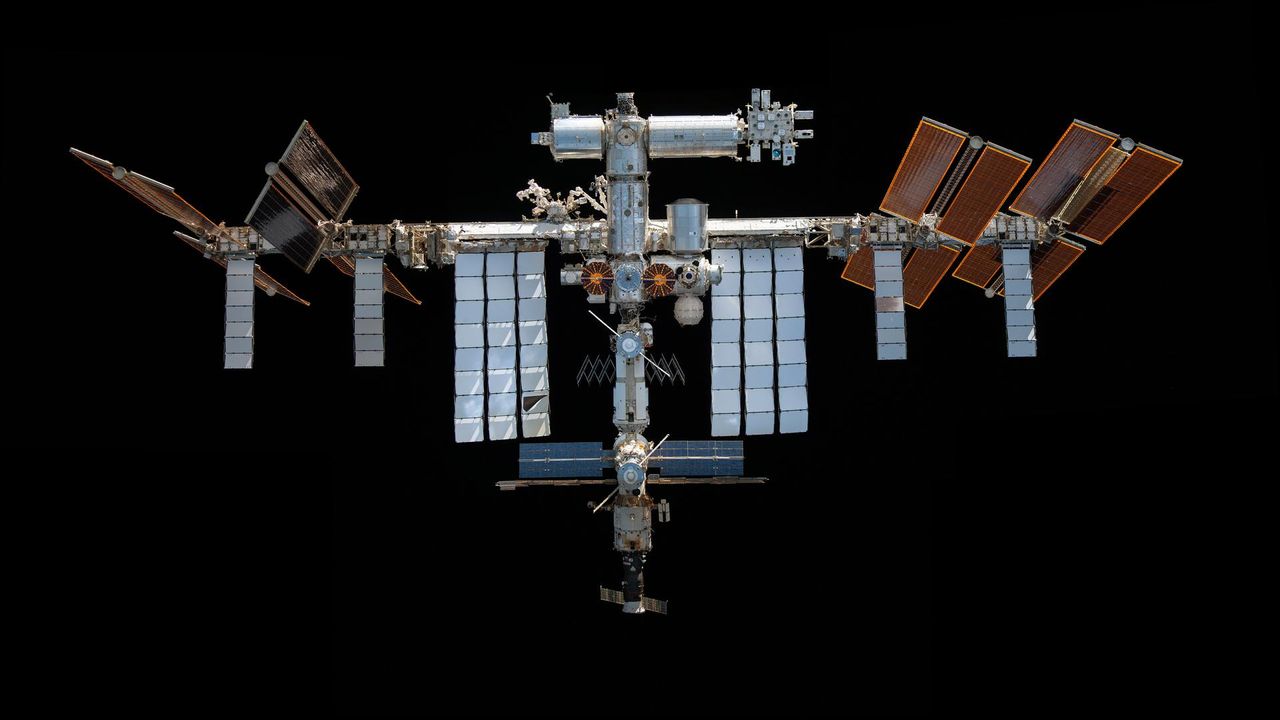
ISS astronauts spy airglow and dwarf galaxy | Space photo of the day for Jan. 13, 2026

Space.comTuesday, January 13, 2026 at 2:00:00 PM
PositiveScience
ISS astronauts spy airglow and dwarf galaxy | Space photo of the day for Jan. 13, 2026
  • Astronauts aboard the International Space Station (ISS) recently observed a stunning phenomenon, capturing images of Earth's airglow and a nearby dwarf galaxy, showcasing the beauty of the cosmos from their unique vantage point. This event highlights the ongoing scientific exploration and observation capabilities of the ISS.
  • The sighting not only provides valuable data for astrophysical studies but also serves to inspire public interest in space exploration and the scientific endeavors conducted aboard the ISS.
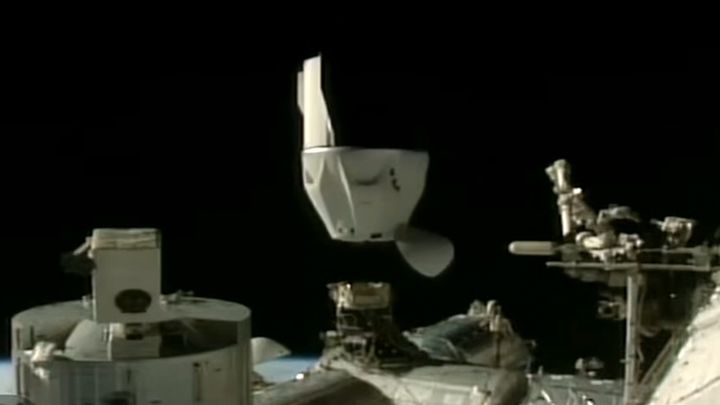
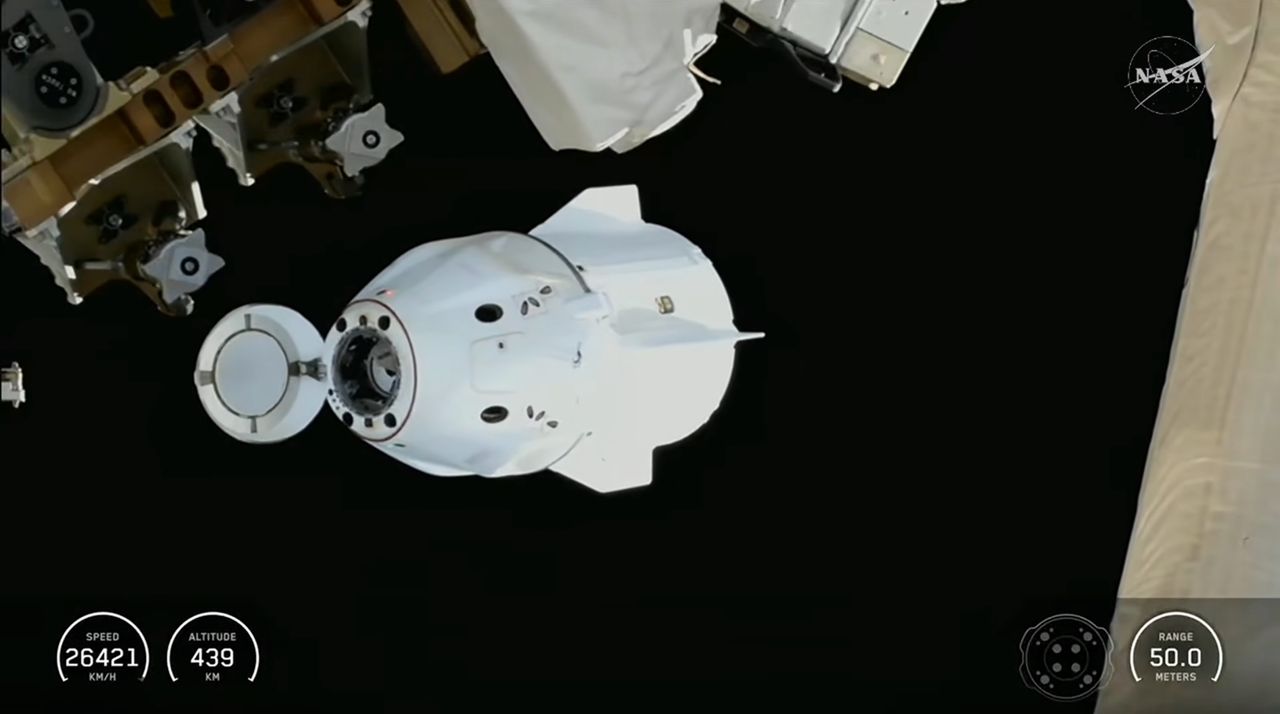
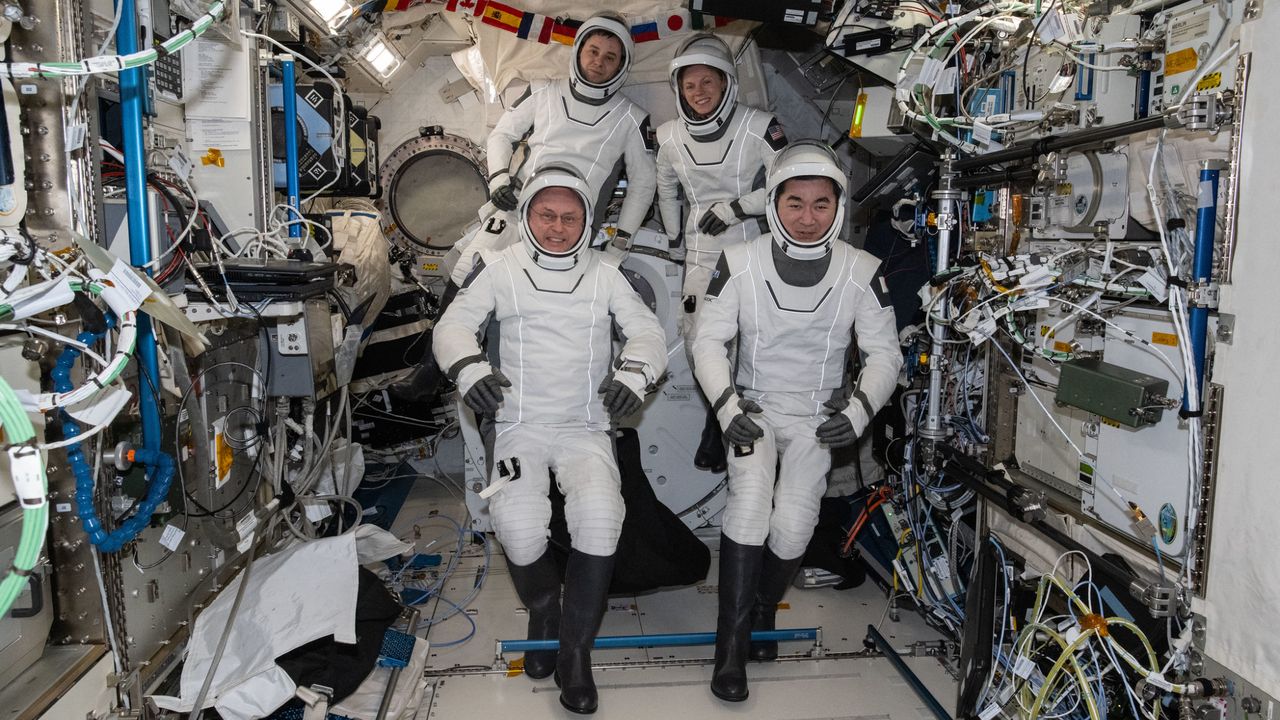
  • This occurrence is part of a broader narrative of human presence in space, as the ISS continues to host multiple spacecraft and astronauts, reflecting advancements in international collaboration and the increasing complexity of missions in low Earth orbit.
— via World Pulse Now AI Editorial System
Was this article worth reading? Share it

Recommended apps based on your readingExplore all apps
Continue Readings
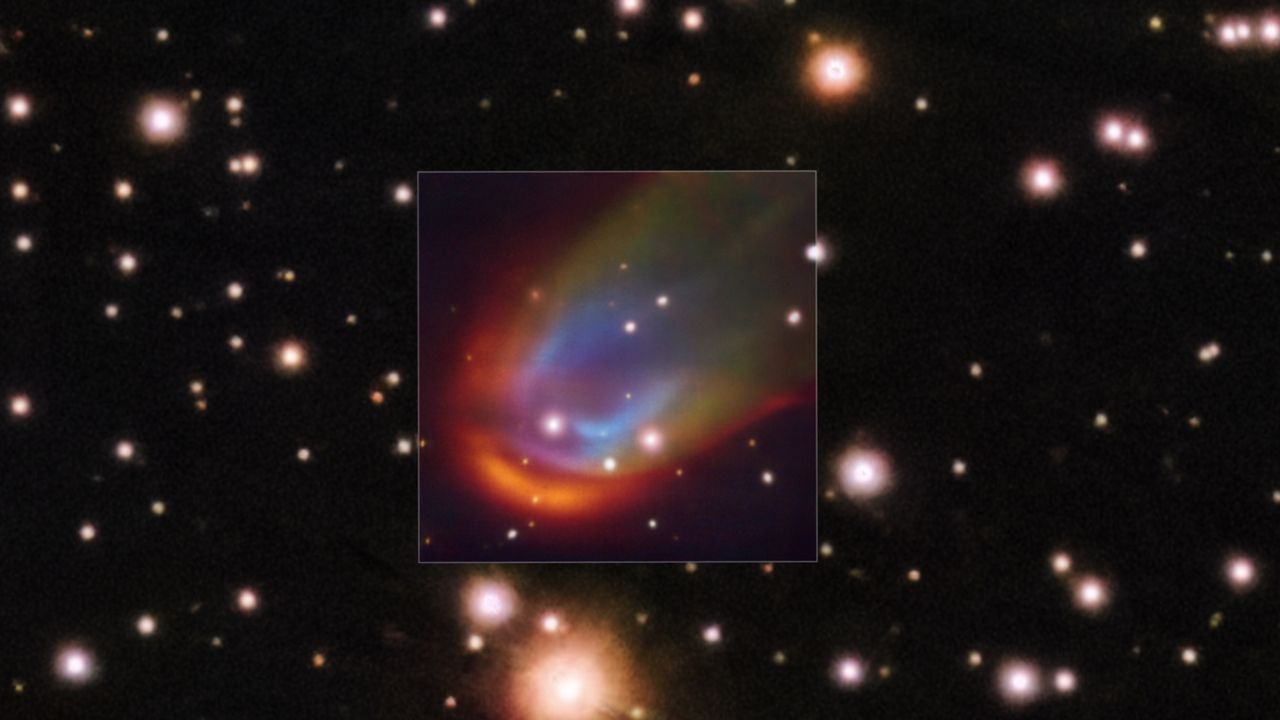
'One of those rare 'wow' moments': Zombie star near Earth has a rainbow shockwave that 'shouldn't be there'
PositiveScience
A recent study has identified a unique white dwarf star, RXJ0528+2838, which is producing a rainbow-like shockwave as it travels through the Milky Way, while simultaneously disrupting its companion star. This phenomenon is described as a rare and astonishing occurrence in the field of astrophysics.
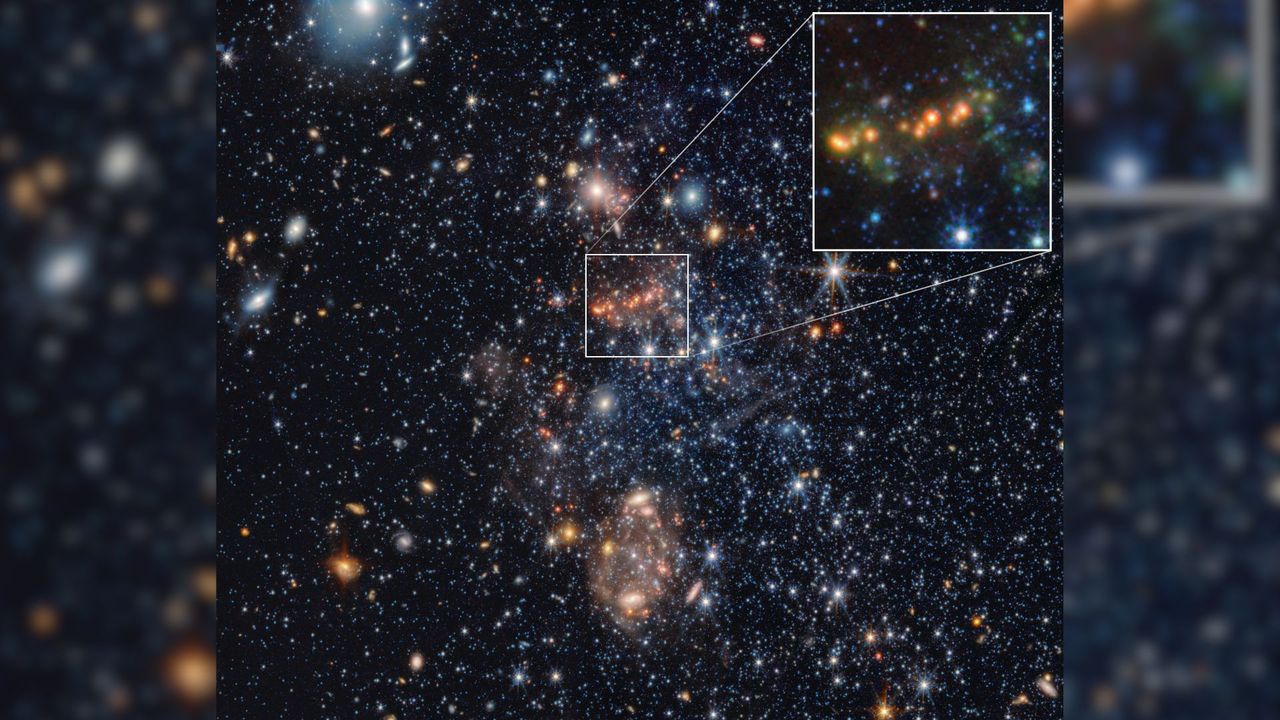
Unusual 'ingredients' helped stars form in a galaxy near the Milky Way
NeutralScience
Newly discovered stars in the small galaxy Sextans A are forming without some of the typical ingredients, prompting scientists to reconsider theories about star formation and the evolution of the early universe. This finding challenges existing models that rely on conventional elements for star creation.
ISS astronaut medical evacuation latest news: Crew-11 astronauts now returning to Earth
NeutralScience
NASA is returning four astronauts from the International Space Station (ISS) earlier than planned due to a medical concern affecting one of the Crew-11 astronauts. This decision marks the first-ever medical evacuation from the ISS, highlighting the agency's commitment to crew safety. The astronauts are expected to return to Earth soon, following the agency's protocols for such emergencies.
Crew-11 astronauts undock in 1st-ever medical evacuation from the International Space Station (video)
NeutralScience
SpaceX's Crew-11 astronauts are set to undock from the International Space Station (ISS) today, marking the first-ever medical evacuation from the orbiting laboratory due to an undisclosed medical issue affecting one of the crew members. This unprecedented event will be broadcast live, allowing viewers to witness the historic moment.
What time is SpaceX Crew-11's medical evacuation from the ISS on Jan. 14?
NeutralScience
On January 14, 2026, SpaceX's Crew-11 mission will conduct the first-ever medical evacuation from the International Space Station (ISS), returning four astronauts to Earth due to a medical concern affecting one of the crew members. This unprecedented event highlights the challenges faced by astronauts in space and the importance of health monitoring in such extreme environments.
Viruses may be more powerful in the International Space Station's microgravity environment
NeutralScience
Research indicates that viruses may exhibit enhanced capabilities in the microgravity environment of the International Space Station (ISS), suggesting that microgravity influences viral evolution in ways that remain largely unexplored.
Supermassive Black Hole Sagittarius A* May Have Once Shone 10,000 Times Brighter Than Today
NeutralScience
New research indicates that the x-ray emissions from Sagittarius A*, the supermassive black hole at the center of the Milky Way, have undergone significant changes over the past few hundred years, suggesting it may have once been 10,000 times brighter than it is today.
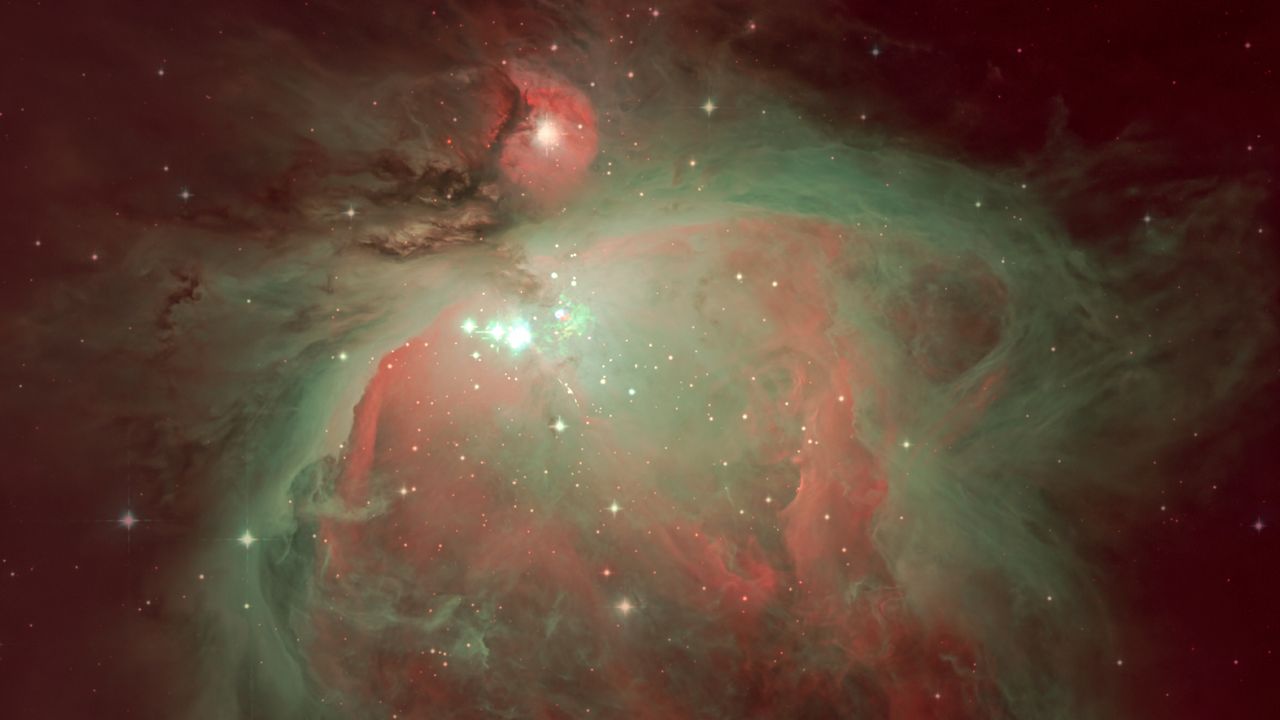
This stunning Orion Nebula photo will make you want to grab a telescope this week
PositiveScience
A stunning photograph of the Orion Nebula, the closest large star-forming region located 1,500 light-years from Earth, has captured the attention of astronomy enthusiasts and is encouraging many to explore the night sky with telescopes this week.

Ready to build your own newsroom?

Subscribe to unlock a personalised feed, podcasts, newsletters, and notifications tailored to the topics you actually care about