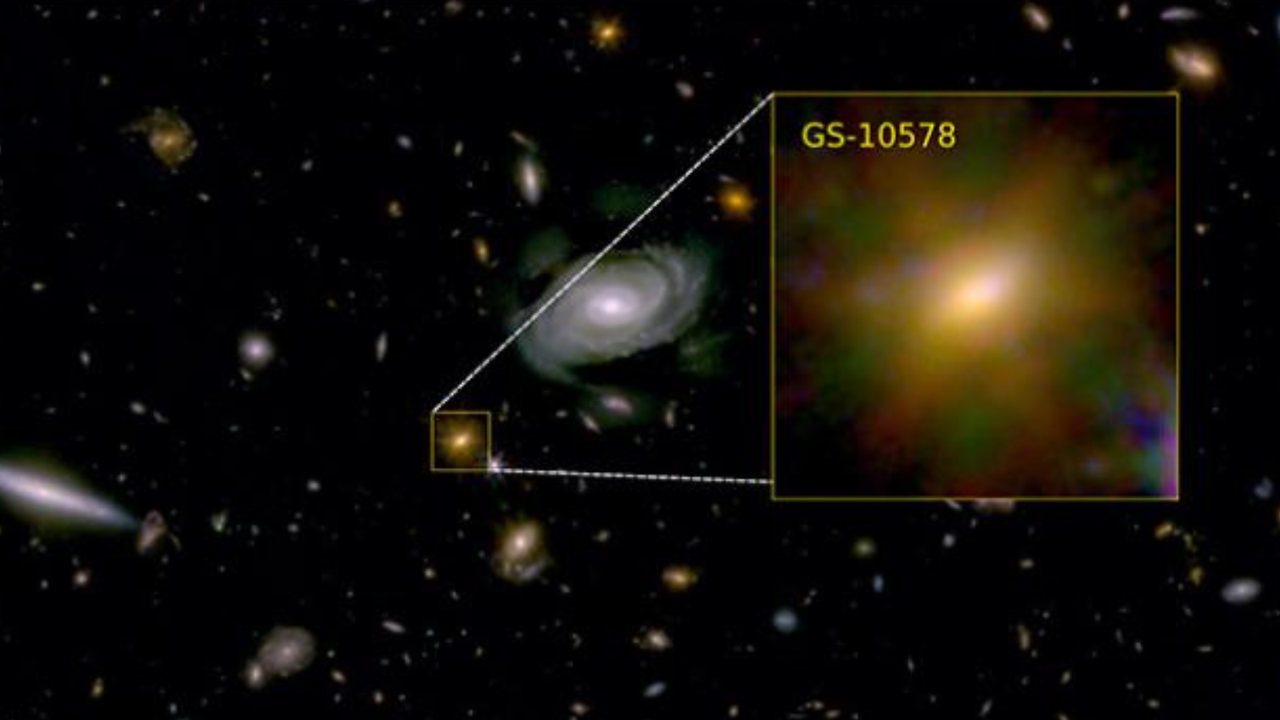
Black hole stars really do exist in the early universe

New ScientistMonday, December 22, 2025 at 10:00:37 AM
NeutralScience
Black hole stars really do exist in the early universe
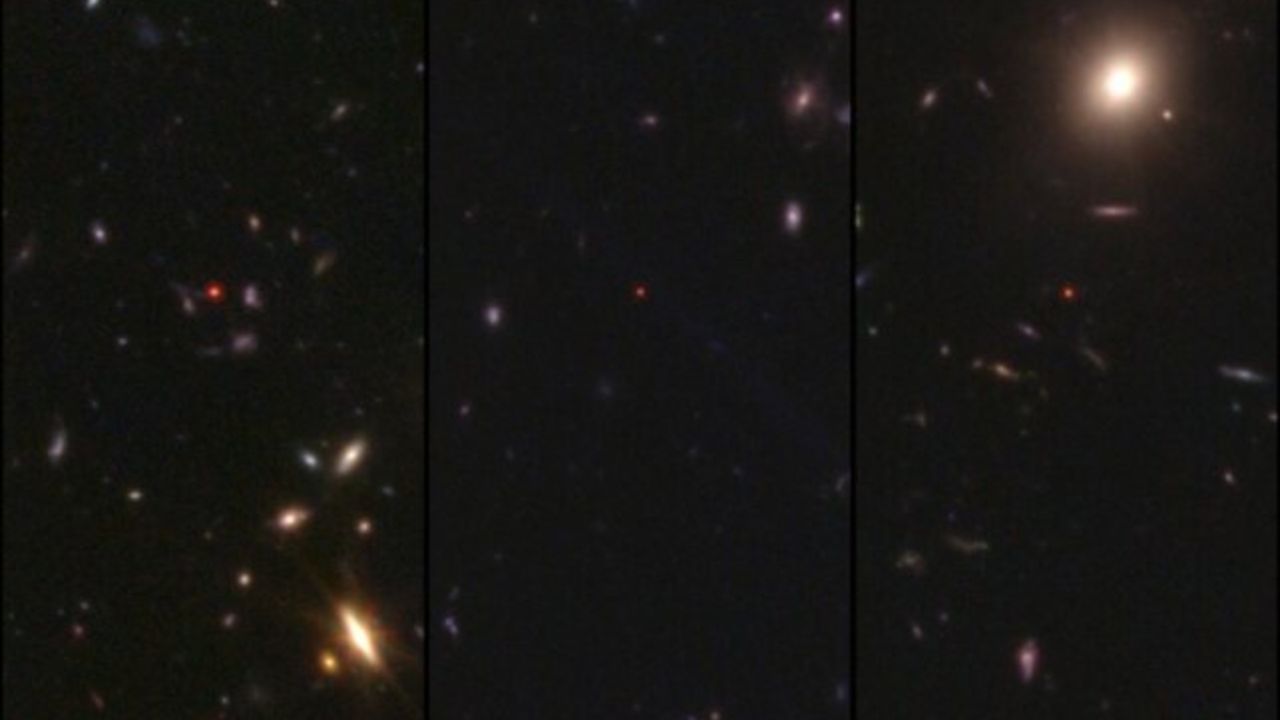
  • Recent observations from the James Webb Space Telescope have revealed mysterious 'little red dots' in the early universe, which researchers now attribute to a new type of black hole surrounded by a massive ball of glowing gas. This discovery enhances the understanding of black hole formation in the universe's infancy.
  • The identification of these black hole stars is significant as it provides insights into the conditions of the early universe and the processes that led to the formation of black holes, which are crucial for understanding cosmic evolution.
  • This finding aligns with other recent discoveries from the James Webb Space Telescope, including the detection of rapidly feeding supermassive black holes and unusual stellar phenomena, highlighting the telescope's role in unraveling the complexities of early cosmic structures and the formation of galaxies.
— via World Pulse Now AI Editorial System
Was this article worth reading? Share it

Recommended apps based on your readingExplore all apps
Continue Readings
James Webb Space Telescope's mysterious 'little red dots' may be black holes in disguise
NeutralScience
The James Webb Space Telescope (JWST) has identified mysterious 'little red dots' in the early universe, which researchers suggest may be a new type of black hole surrounded by glowing gas. This discovery challenges existing understandings of cosmic structures and their formation.
Massive supernova explosion may have created a binary black hole
PositiveScience
A recent study suggests that a massive supernova explosion may have led to the formation of a binary black hole, providing new insights into the evolutionary history of massive stars. This finding highlights the complex processes involved in stellar evolution and the eventual creation of black holes.
'Death by a thousand cuts': James Webb Space Telescope figures out how black hole murdered Pablo's Galaxy
NeutralScience
The James Webb Space Telescope has provided insights into the demise of Pablo's Galaxy, revealing that its destruction was a gradual process of slow starvation rather than a sudden event. This finding highlights the complex interactions between black holes and their host galaxies.

Ready to build your own newsroom?

Subscribe to unlock a personalised feed, podcasts, newsletters, and notifications tailored to the topics you actually care about