Scientists Are Baffled by This Bizarre Lemon-Shaped Exoplanet

Scientific AmericanWednesday, December 17, 2025 at 7:20:00 PM
NeutralScience
  • Astronomers utilizing the James Webb Space Telescope have made a remarkable discovery of an exoplanet that has an unusual lemon-like shape, which has left scientists puzzled regarding its formation and characteristics.
  • This discovery is significant as it showcases the advanced capabilities of the James Webb Space Telescope in exploring distant celestial bodies, potentially leading to new insights about planetary formation and the diversity of exoplanets in the universe.
  • The finding of this bizarre exoplanet adds to the growing body of knowledge regarding planetary shapes and compositions, highlighting the ongoing exploration of the cosmos and the unexpected phenomena that can arise, as evidenced by other recent observations made by the telescope, such as the complex structures surrounding the triple-star system Apep.
— via World Pulse Now AI Editorial System
Was this article worth reading? Share it

Recommended apps based on your readingExplore all apps
Continue Readings
Astronomers capture 1st direct images of collisions in a nearby star system: 'It's like looking back in time'
PositiveScience
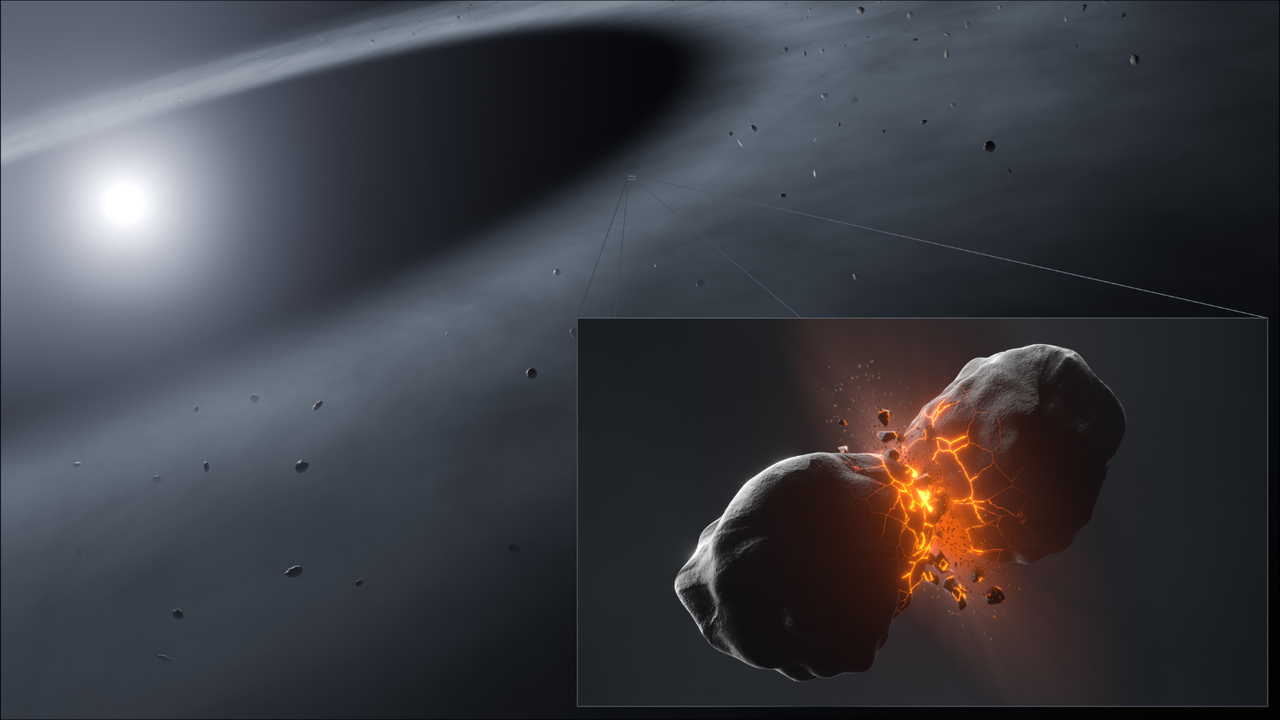
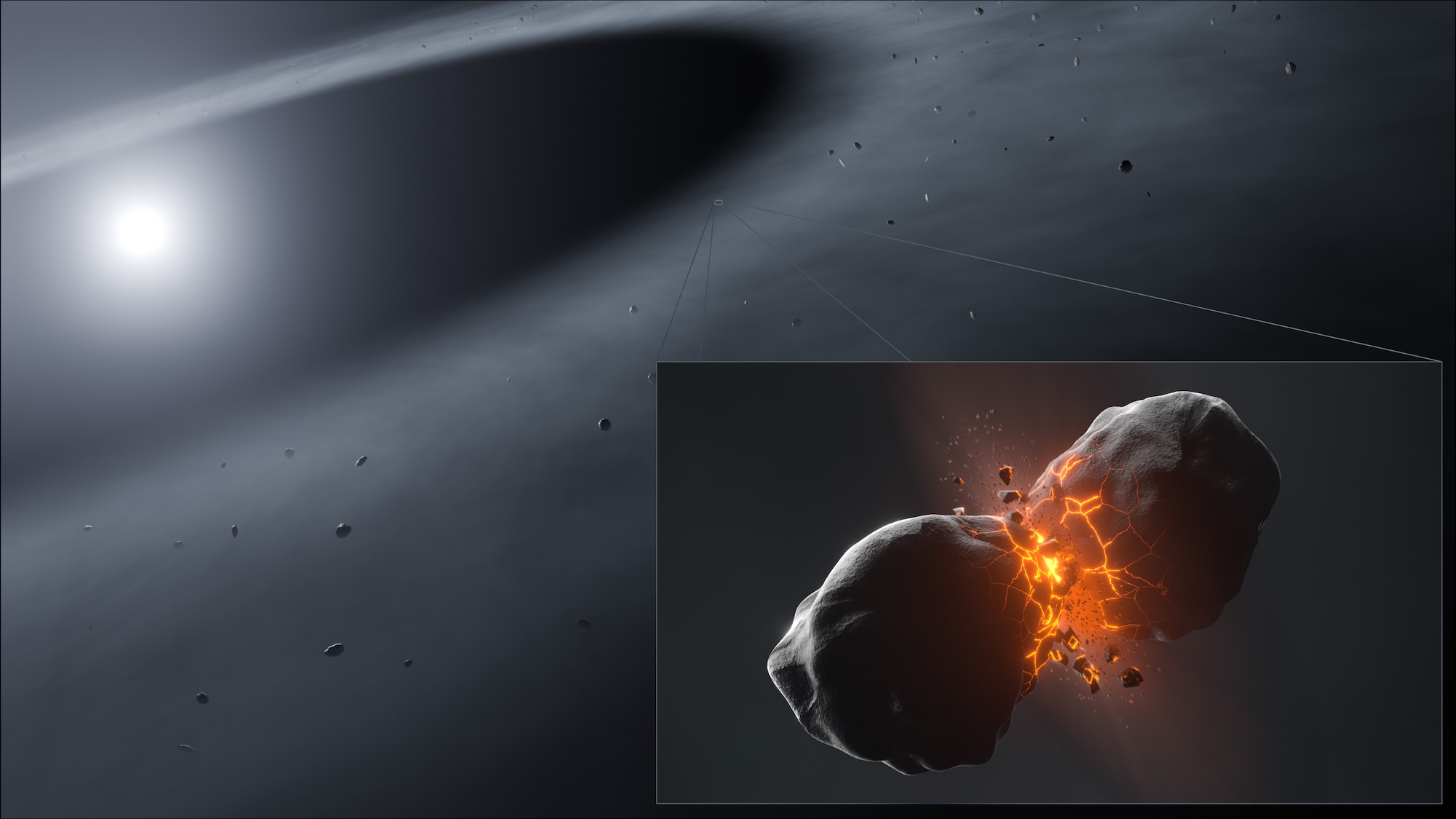
Astronomers have successfully captured the first direct images of collisions in a nearby star system, providing a glimpse into the violent early history of our solar system when it was less than a billion years old. This groundbreaking achievement allows scientists to observe cosmic events that shaped planetary formation and evolution.
First-of-its-kind cosmic collision spotted 25 light-years from Earth
NeutralScience
Astronomers have detected a unique cosmic collision approximately 25 light-years from Earth, initially mistaken for a new exoplanet. This event marks a significant observation in the field of astronomy, highlighting the dynamic interactions occurring in space.
Mysterious, irradiated 'scar' in our galaxy points to 2 stars that almost hit the sun
NeutralScience
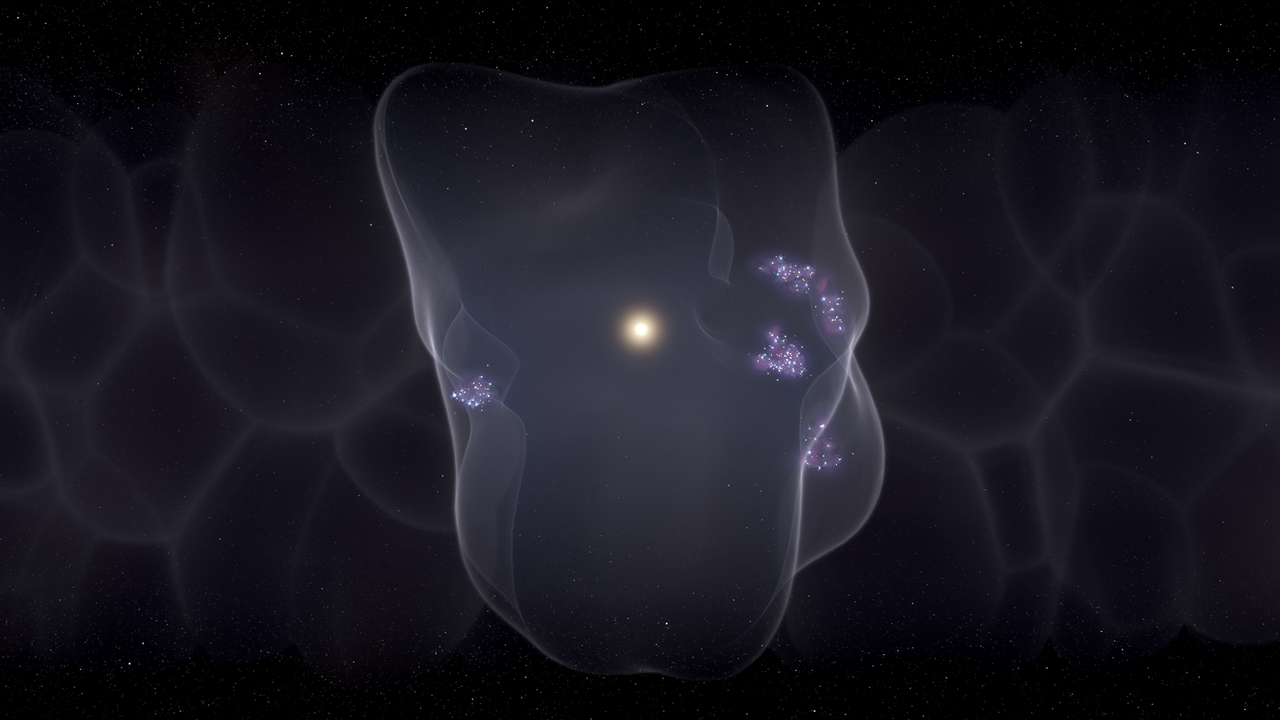
Astronomers have traced a mysterious 'scar' of ionized gas surrounding the solar system to two stars that had a close flyby with the sun millions of years ago. This discovery sheds light on the dynamic interactions within our galaxy and the historical events that have shaped its structure.
Life beyond Earth? Dame Maggie Aderin-Pocock on the mysteries of space – podcast
PositiveScience
Dame Maggie Aderin-Pocock, a prominent space scientist, is set to deliver the Royal Institution Christmas lectures, addressing significant questions in space science, including the possibility of extraterrestrial life. In a podcast discussion with Nicola Davis, Aderin-Pocock shares her insights and aspirations, including her dream of traveling to a distant exoplanet.
James Webb Space Telescope confirms 1st 'runaway' supermassive black hole rocketing through 'Cosmic Owl' galaxies at 2.2 million mph: 'It boggles the mind!'
PositiveScience
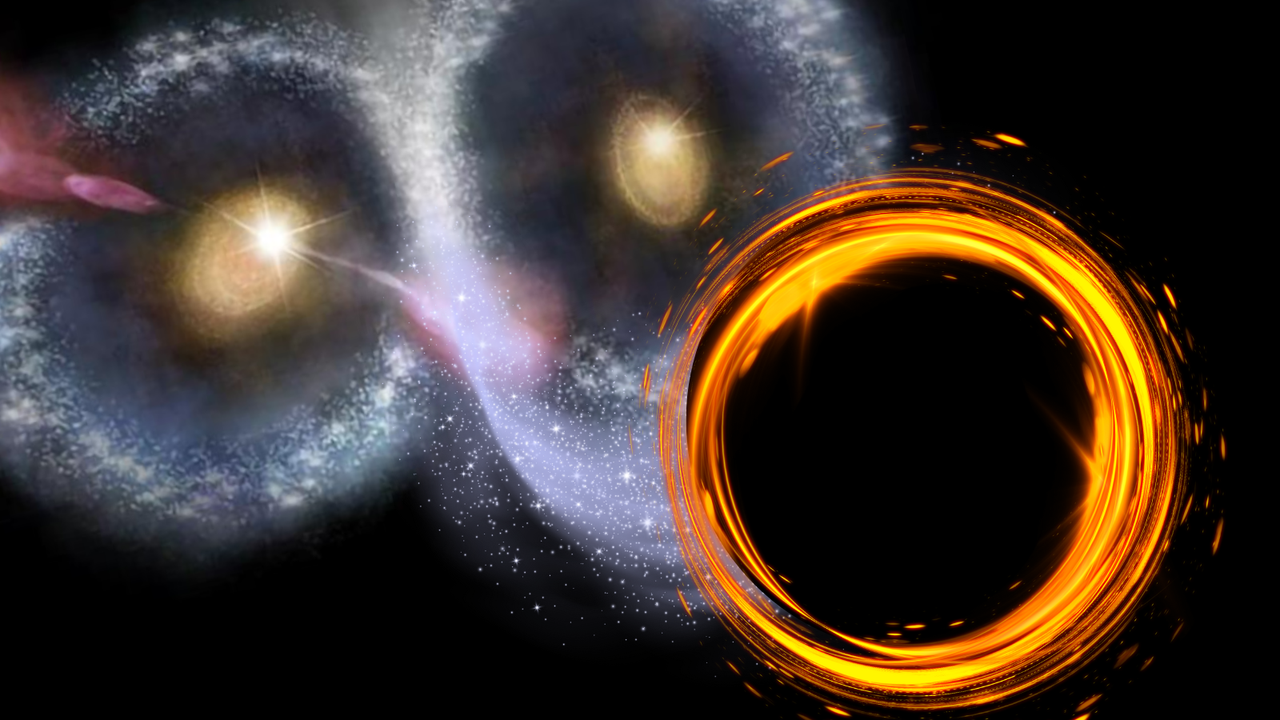
The James Webb Space Telescope has confirmed the existence of the first 'runaway' supermassive black hole, traveling at an astonishing speed of 2.2 million miles per hour through the Cosmic Owl galaxies. This discovery highlights the immense forces required to displace such a massive entity from its original location.
'We were amazed': Scientists using James Webb telescope may have discovered the earliest supernova in the known universe
PositiveScience
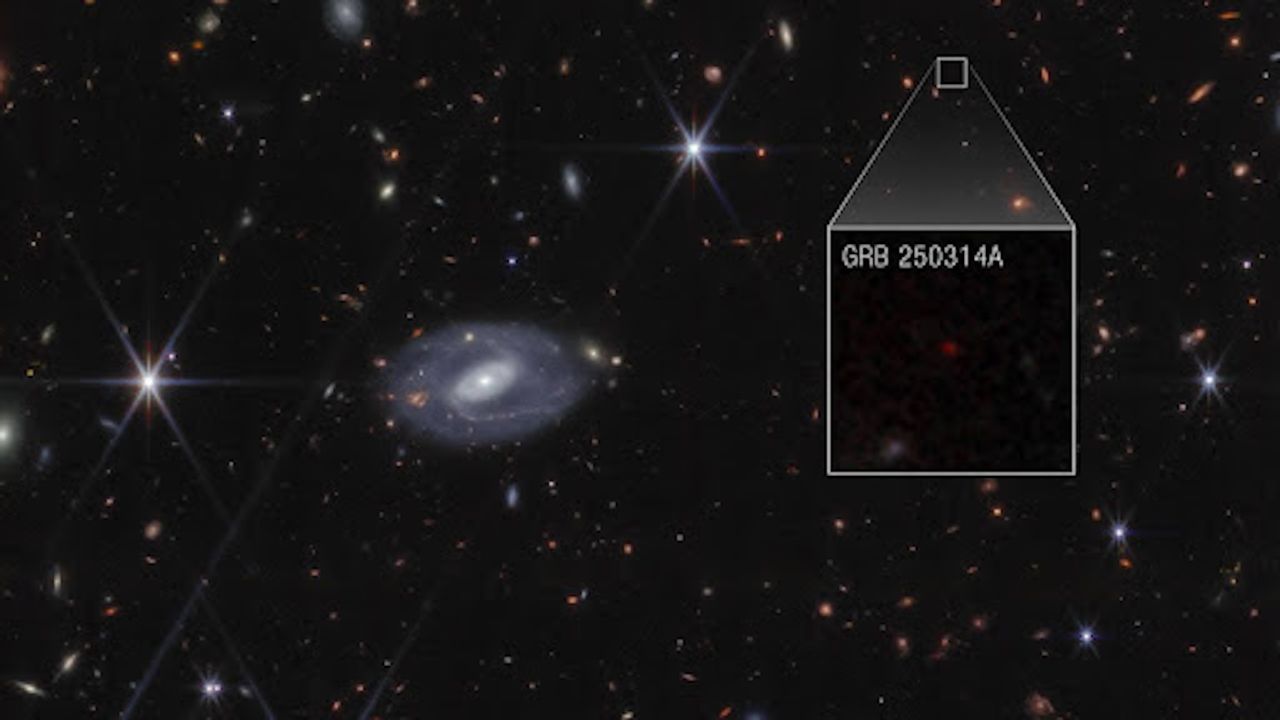
Astronomers utilizing the James Webb Space Telescope (JWST) have reported a significant discovery, suggesting that a powerful gamma-ray burst detected in March may have originated from the explosion of a massive star just 730 million years after the Big Bang. This finding could represent the earliest supernova observed in the universe, offering new insights into cosmic events shortly after the universe's formation.

Ready to build your own newsroom?

Subscribe to unlock a personalised feed, podcasts, newsletters, and notifications tailored to the topics you actually care about